

Your Southeast Wisconsin Guide to Smart, Safe Towing
From lake days around Burlington and Lake Geneva to weekend camping in Kettle Moraine and winter snowmobile runs up north, towing is a way of life in Southeast Wisconsin. The right hitch makes these trips easy and safe. The wrong hitch can cause sway, braking issues, and damage to your vehicle. If you are thinking about trailer hitch installation, this guide will help you choose the correct hitch class and setup for boats, campers, and snowmobile trailers. When you are ready, Wisco Automotive in Burlington is here to install your hitch, wire your lights, set up brake controllers, and make sure you leave confident and road ready.
Wisco Automotive is a full-service repair and maintenance shop at 496 S. Pine St., Burlington, WI. We handle general auto repair, diagnostics, emissions testing, oil changes, brakes, suspension and drivetrain work, exhaust repairs, tires, remote starts, backup cameras, and certified ignition interlock installations for Intoxalock, LifeSafer, and Smart Start. We also offer towing and roadside assistance. Our team supports local drivers and fleets with fast, high quality service. Call 262-716-0062 or visit wiscoautomotive.com to schedule your trailer hitch installation or any other service.
What Is a Trailer Hitch and Why Hitch Class Matters
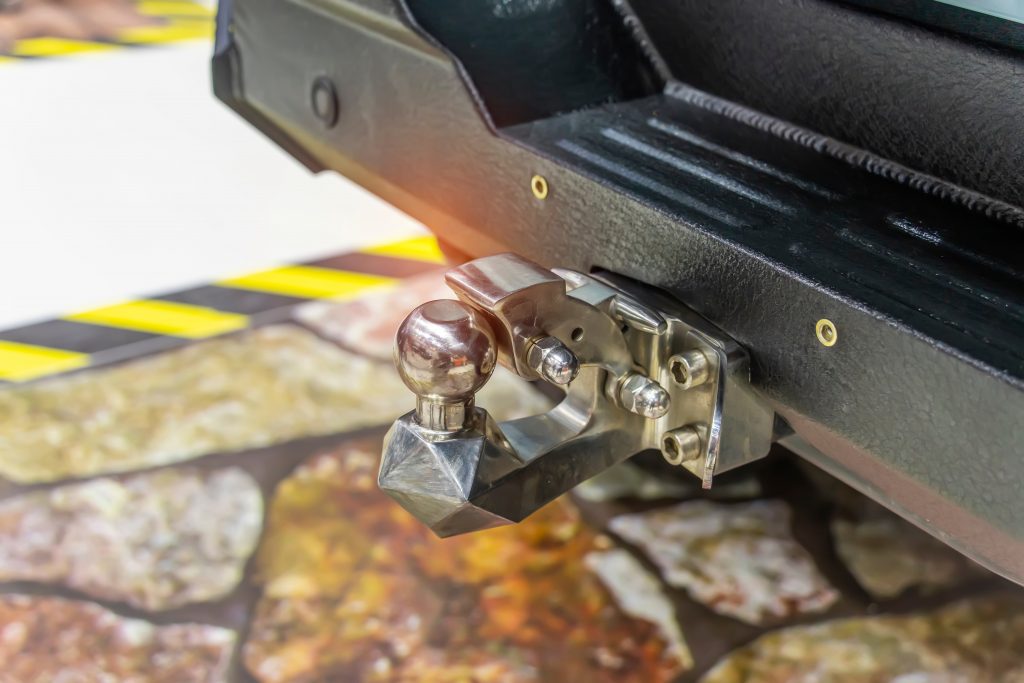
A trailer hitch is a frame mounted component that lets your vehicle tow safely. Most light duty towing uses a receiver hitch mounted to the frame. It provides a receiver tube sized for a removable ball mount or accessory. Hitch class and receiver size determine how much you can tow and the tongue weight you can safely carry.
Common receiver sizes include 1.25 inch for light duty and 2 inch for most SUVs and half ton trucks. Heavy applications can use 2.5 inch or even 3 inch receivers. Beyond receiver hitches, there are bed mounted hitches for 5th wheel and gooseneck trailers. Choosing the right class is critical for safe, legal towing.
Class I and Class II: Light Duty and Daily Use
Class I and Class II hitches are ideal for small cars and crossovers. They are perfect for bike racks, cargo carriers, small utility trailers, and very light watercraft. If your plan is a single snowmobile trailer or a lightweight jon boat, a Class I or II may be enough, depending on your vehicle rating. Many Class I hitches use a 1.25 inch receiver. Class II often bumps to a stronger 1.25 inch or a 2 inch receiver. Always check both the hitch rating and your vehicle tow rating and follow the lower number.
Class III: The Versatile Choice for SE-WI Drivers
Class III hitches are the workhorse for many Burlington and SE-WI families. Most SUVs and half ton pickups use a 2 inch Class III receiver. This class fits a wide range of loads like fishing boats, mid-size campers, dual snowmobile trailers, and small equipment trailers. With the right ball mount, wiring, and a brake controller where needed, Class III covers many weekend adventures. If you want one setup that handles most jobs, Class III paired with quality wiring is a smart place to start.
Class IV: Heavier Boats and Larger Campers
Class IV pushes into heavier loads for larger campers and boats. It still uses a 2 inch receiver, but the hitch itself is built for higher gross trailer weight and tongue weight. Many owners add a weight distribution hitch to keep the tow vehicle level and stable when pulling longer travel trailers. If you are moving from a small pop up to a full travel trailer, Class IV is often the right upgrade.
Class V: Max Duty for Big Jobs
Class V hitches are designed for the heaviest bumper pull jobs and may use a 2.5 inch receiver. These setups are for large enclosed trailers, heavy equipment, and bigger campers that push the limit of half ton or three quarter ton trucks. Your truck capacity, the hitch class, and your hardware all need to match. Wisco Automotive will confirm your setup is correct from receiver to ball mount to the hitch ball size and rating.
5th Wheel and Gooseneck: When You Need Serious Stability
5th wheel and gooseneck hitches mount in the bed of a pickup, placing the load over the rear axle for better stability and higher capacities. These are common for large campers, horse trailers, and heavy equipment. If you are towing big, a 5th wheel or gooseneck can provide a safer, more controlled experience, especially on windy highway routes to the Northwoods or across open farm roads. Ask Wisco Automotive about options if your towing needs require this level of support.
Match Your Hitch to Your Adventure
Each type of trailer has unique demands. Boats, campers, and snowmobile trailers tow differently and need the right hitch class, ball size, and accessories to stay safe and smooth.
Boats: Ramp Traction and Corrosion Protection
Boat trailers often carry more tongue weight toward the rear, and ramps can be slick. A Class III hitch works for many fishing boats and runabouts in our area. Make sure you use the correct ball size and a secure coupler. Add a 5 pin or 7 way connector if you have surge brakes that need a reverse lockout. Because road salt is common in winter, choose hardware with a rust resistant finish. After your trailer hitch installation, Wisco Automotive can apply anti-seize and advise you on washing off salt and drying connections to prevent corrosion.
Campers: Stability and Braking Matter Most
Travel trailers can push even a capable SUV if the setup is not dialed in. A Class III or IV hitch with a weight distribution system and sway control can make a big difference. Electric trailer brakes are standard on many campers, and a quality proportional brake controller gives smooth, predictable stopping. Wisco Automotive can install your hitch, run 7 way wiring, mount a controller, and test the system with you. We will show you how to set gain and how to do a brake check before each trip.
Snowmobiles: Cold Weather Wiring and Visibility
Snowmobile trailers are often towed in freezing temps and on salted roads. Good wiring, sealed connectors, and bright lights are essential. Many snowmobile trailers are enclosed and taller, which can catch crosswinds. A Class III hitch is a strong match for two sleds. We recommend checking tire pressure more often in winter, since cold drops PSI. Wisco Automotive can add a 7 way harness, check bearings, and provide a simple winter checklist to keep you rolling safely to the trailhead.
Know Your Ratings Before You Tow
Hitch class is only part of the picture. Your vehicle rating, the trailer rating, and your cargo all work together. You are limited by the lowest rated part of your setup.
- Vehicle tow rating: The maximum trailer weight your car, SUV, or truck can pull safely.
- GVWR: The maximum total weight of your vehicle with passengers and cargo.
- GAWR: The maximum allowed weight on each axle.
- GTW: The actual gross trailer weight with all cargo and fluids.
- Tongue weight: The downward force on the hitch. Aim for about 10 to 15 percent for most campers and 7 to 10 percent for many boat trailers.
- GCWR: The combined weight rating for your loaded tow vehicle plus the loaded trailer.
For example, if your SUV is rated to tow 5,000 pounds and your Class III hitch is rated to 6,000 pounds, you must still follow the 5,000 pound vehicle limit. Wisco Automotive will help you choose a hitch and accessories that match your real world needs and your vehicle’s ratings.
Trailer Wiring and Lighting: Be Seen and Be Legal
Safe towing depends on working lights and, when needed, trailer brakes. Your wiring choice depends on your trailer features.
Common Connector Types
- 4 flat: Basic running lights, turn signals, and brake lights. Common for small utility, boat, and snowmobile trailers.
- 5 flat: Adds a reverse circuit for surge brake lockout on many boat trailers.
- 6 round: Adds circuits for brakes and power on some mid-size trailers.
- 7 way RV blade: Standard for campers and larger trailers. Supports electric brakes, charge line for a breakaway battery, and aux power.
Wisco Automotive performs clean, factory-style wiring. We solder or use quality crimp connectors and protect the harness with loom. We check the ground path and test every circuit with you so you know your lights and brakes are working before you leave.
Brake Controllers: Proportional vs Time Delay
If your trailer has electric brakes, you need a brake controller. Proportional controllers sense deceleration and match the trailer braking to your vehicle for smooth stops. Time delay controllers apply a preset amount of braking on a short delay. Proportional units are best for most drivers in SE-WI, especially with heavier campers. Our technicians can integrate a controller neatly with your dash and set it up to your preference.
Weight Distribution and Sway Control
When your trailer is heavier or longer, weight distribution bars help transfer weight back to the front axle of your tow vehicle. This improves steering, braking, and overall control. Sway control devices reduce trailer sway in crosswinds and when passing trucks on I-94 or Hwy 12. Wisco Automotive can recommend the right system and set it up so hitch height, bar tension, and coupler angles are all correct.
What to Expect During Trailer Hitch Installation at Wisco Automotive
We believe you should know exactly what is happening with your vehicle. Here is our typical process for hitch and wiring installs.
- Needs assessment: We ask what you plan to tow and how often. Boats, campers, snowmobiles, or mixed use all point to different choices.
- Vehicle inspection: We check frame points, bumper style, exhaust routing, and wiring access. We also review your vehicle tow rating and payload.
- Hitch selection: We match a hitch class and receiver size to your vehicle and towing plan. We discuss ball size and drop rise height for level towing.
- Wiring plan: We plan 4 flat, 5 flat, 6 round, or 7 way harness. We add a brake controller when needed and confirm surge brake needs for boat trailers.
- Install: We mount the hitch using factory points and torque all hardware to spec. We route and secure wiring to avoid heat and abrasion.
- Test: We test every light function. For electric brakes we set initial gain and confirm operation. For weight distribution we set ride height.
- Walkthrough: We show you how to connect safely, cross safety chains, check coupler latch, and do a pre-trip inspection.
Most trailer hitch installations are completed with a quick turnaround, often same day by appointment. Our hours are Monday to Friday 8 AM to 5 PM and Saturday 8 AM to 12 PM. Need a ride or a tow to the shop. Wisco Automotive offers local towing and roadside assistance, including jumpstarts and lockouts, to make your day easier.
Seasonal Maintenance and Safety Checks
A well installed hitch is only the start. Regular checks keep you safe and avoid costly surprises on the highway or at the boat launch.
- Lights: Test running, turn, and brake lights before every trip. Carry spare fuses and bulbs if your trailer uses them.
- Tires: Check pressure and tread. Trailer tires often age out before they wear out. Look for cracks.
- Bearings: Have bearings greased and inspected. Water dunking at launches and winter storage can dry bearings fast.
- Brakes: Confirm trailer brake function and adjust brake controller gain if the trailer is loaded differently.
- Lug nuts: Torque to spec, especially on new or recently serviced wheels.
- Coupler and chains: Inspect latches, pins, and chains for wear or rust.
- Rust and corrosion: After winter roads or a spring thaw, rinse the hitch and wiring connections. Apply dielectric grease to plugs.
- Storage: Disconnect the 7 way or 4 flat when parked to prevent corrosion. Use a plug cover.
Local Rules and Good Habits for Wisconsin Towing
Always use working lights, safety chains, and a secure coupler. If your trailer has electric brakes, use a controller and keep the breakaway battery charged. Load the trailer so weight is balanced with proper tongue weight and heavier items low and forward. Keep speeds moderate, leave extra stopping distance, and check mirrors often. For current Wisconsin rules on registration, brakes, and trailer lighting, review the Wisconsin DOT website or ask our team at Wisco Automotive for guidance.
Fleet and Business Towing Support
Wisco Automotive also supports local businesses and fleets that tow equipment or cargo. We manage routine maintenance, hitch inspections, wiring repairs, and tire service to cut downtime. We work with major tire brands like Bridgestone, Goodyear, Michelin, Firestone, and Uniroyal, and we coordinate service to keep your drivers safe and on schedule. Ask us about fleet service plans tailored to your routes and trailers.
Why SE-WI Drivers Choose Wisco Automotive
- Local expertise: We understand our area’s towing needs from Lake Geneva marinas to Kettle Moraine campgrounds and Wisconsin winter conditions.
- Complete service: Hitch installs, wiring, brake controllers, weight distribution, and sway control, plus full automotive repair and maintenance.
- Certified and efficient: Quality parts, factory style wiring, and installs torqued to spec for a clean, safe result.
- Roadside help: Towing, jumpstarts, lockouts, and flat tire assistance when plans change.
- Fleet friendly: Fast, reliable service for local business vehicles and trailers.
- Convenient hours: Monday to Friday 8 AM to 5 PM and Saturday 8 AM to 12 PM.
- Customer first: Clear communication, fair recommendations, and a helpful walkthrough after your trailer hitch installation.
FAQs: Trailer Hitch Installation in SE-WI
How do I know which hitch class I need?
Start with your trailer’s loaded weight and your vehicle tow rating. Boats, campers, and snowmobile trailers have different tongue weights and features. Class III covers many needs, but larger campers may require Class IV or V with weight distribution. Wisco Automotive will confirm the right class and hardware for your situation.
Do I need a brake controller?
If your trailer has electric brakes, yes. A proportional controller provides smooth braking that scales to your speed and load. We install and set up controllers, then show you how to adjust gain for changing conditions.
Can you add a 7 way plug if my vehicle only has a 4 flat?
Yes. We can upgrade your wiring to a 7 way and add a brake controller and charge line if needed. This is common when moving from a small utility trailer to a camper.
What ball size should I use?
Trailer couplers are usually 1-7/8 inch, 2 inch, or 2-5/16 inch. The size is stamped on the coupler. The ball and ball mount must match the coupler and be rated for your load. We will help you choose the correct one and set the proper drop or rise to keep the trailer level.
How long does an installation take?
Many hitch and wiring installs are completed the same day by appointment. More complex setups like brake controllers, 7 way rewires, and weight distribution fittings can take longer. Call 262-716-0062 for timing based on your vehicle and trailer.
Can you check my trailer too?
Yes. We can inspect lights, brakes, bearings, tires, and the coupler. Many customers book a trailer safety check with their hitch install or seasonal maintenance.
Do you offer warranty on parts and labor?
Wisco Automotive stands behind our work. We use quality parts and follow best practices for mounting and wiring. Ask us about specific part warranties and our workmanship guarantee at the time of your estimate.
Ready to Tow with Confidence
Whether you are launching a boat at the Fox River, pulling a camper to Big Foot Beach State Park, or hauling sleds north for a long weekend, the right hitch and wiring make the trip safer and more enjoyable. When you want professional trailer hitch installation with easy scheduling and clear communication, choose Wisco Automotive.
Visit us at 496 S. Pine St., Burlington, WI. We are open Monday to Friday 8 AM to 5 PM and Saturday 8 AM to 12 PM. Call 262-716-0062 or book at wiscoautomotive.com. Tell us what you tow and how often, and we will build a hitch and wiring package that fits your vehicle, your plans, and your budget. Book your install today. Call now.