

All‑Weather vs All‑Season vs Winter: What You Need to Know Before You Buy
When the weather around Muskego and Wind Lake swings from humid summers to bitter cold winters, picking the right tires can feel complicated. Many drivers want one set that can handle it all. Others prefer the control that comes with seasonal sets. At Wisco Automotive in Burlington, our goal is to make that choice simple and safe for your daily routes. Here is how the major tire types compare so you can decide with confidence.
What Are All‑Weather Tires?
All‑weather tires bridge the gap between all‑season and winter tires. They stay flexible in cold temperatures and carry the 3‑Peak Mountain Snowflake symbol that indicates tested winter performance. They are designed for drivers who see snow and ice but prefer to avoid seasonal tire changeovers. Popular examples include lines from Bridgestone, Goodyear, Michelin, Firestone, and Uniroyal that focus on year‑round traction with cold‑friendly rubber and deep siping.
What Are All‑Season Tires?
All‑season tires deliver comfort, mileage, and wet traction in moderate weather. They can handle light winter conditions, but their rubber hardens more in deep cold. If your routes stay on treated city roads and you drive gently, all‑season tires can be enough much of the year. Still, they are not built for regular unplowed snow or persistent ice.
What Are Winter Tires?
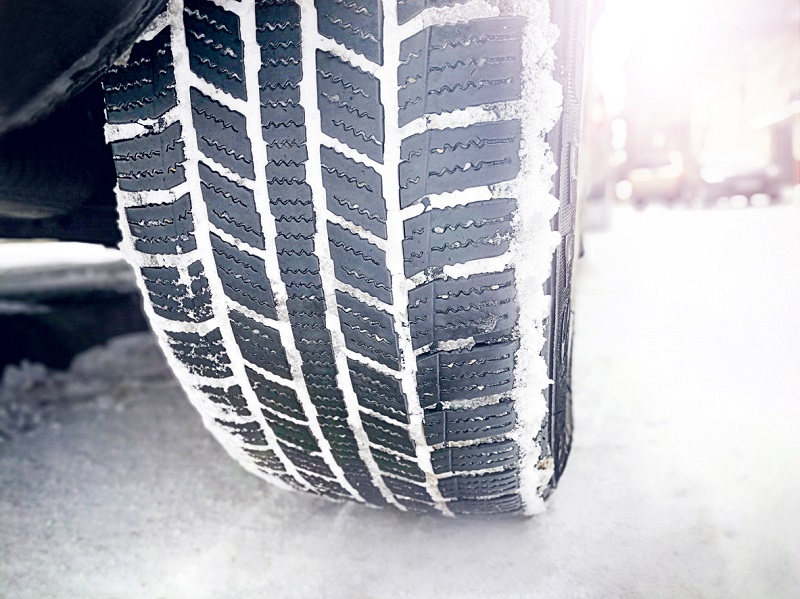
Winter tires use a cold‑resistant compound, aggressive tread blocks, and thousands of sharp sipes to grip snow and sheer ice. They carry the 3‑Peak Mountain Snowflake symbol and are proven for sub‑freezing conditions. On icy neighborhood hills or early mornings before the plows, winter tires shorten stopping distances and improve steering control more than any other type.
How Tread and Rubber Make the Difference
- Rubber compound: Winter and all‑weather compounds stay soft in the cold. All‑season compounds are tuned for wear and comfort in mild temps.
- Tread pattern: Winter tread is more open and bites into snow. All‑weather tread tries to balance winter grip with quiet, stable summer driving.
- Siping density: The tiny cuts that create ice traction are heaviest on winter tires, moderate on all‑weather, and lighter on many all‑season models.
- Snowflake symbol: All‑weather and winter tires that meet the severe snow standard display the 3‑Peak Mountain Snowflake on the sidewall.
Are All‑Weather Tires Enough for Muskego and Wind Lake Driving?
Muskego and Wind Lake sit in a zone where roads can swing from dry to slushy in a few hours. Lake effect moisture, freeze‑thaw cycles, and shaded rural stretches can turn a simple commute into a slick challenge. Think about your real routes: Muskego Dam Dr, Janesville Rd, Loomis Rd, Wind Lake Rd, and the miles that connect you to Highway 36, Highway 83, and Burlington. Your choice should match both your roads and your timing.
When All‑Weather Tires Make Sense
- You mostly drive on plowed and salted roads during daylight hours.
- You keep speeds moderate and avoid sudden braking in winter.
- Your driveway and neighborhood get cleared quickly after storms.
- You want one set year‑round without scheduling seasonal swaps.
- Your mileage is steady and you are consistent with rotation, pressure checks, and alignments.
When Winter Tires Are the Safer Choice
- You leave before sunrise or get home late when roads refreeze.
- You travel rural or shaded routes where ice lingers.
- Your neighborhood has hills, tight turns, or unplowed side streets.
- You tow, haul, or carry passengers and need the most stable cold‑weather grip.
- You want the shortest possible stopping distances in snow and on ice.
And What About Summer?
Some drivers use a winter set and a summer or three‑season set for the rest of the year. This approach gives the best performance and can extend the life of both sets since each tire works in the conditions it was built for. If you choose all‑weather tires, you can keep them on year‑round. Just know that a dedicated summer tire still delivers sharper dry handling and shorter warm‑weather stops than any winter‑rated tire. The right pick comes down to your driving style, your routes, and your expectations.
Safety and Stopping Distance: A Simple Comparison
On snow and ice, differences in rubber and tread matter a lot. In independent testing, winter tires often stop notably shorter on ice than all‑season tires. All‑weather tires land in between. The exact numbers vary by brand, road surface, and temperature, but here is the simple takeaway: if your drive regularly involves slick starts or downhill turns in freezing conditions, winter tires give you a valuable margin of safety. If your roads are well‑maintained and you keep speeds down, all‑weather tires can be a smart compromise that still brings tested winter capability.
tires burlington Buyer’s Guide: Brands, Models, and Fitment Tips
At Wisco Automotive, we carry major brands like Bridgestone, Goodyear, Michelin, Firestone, and Uniroyal, and we match models to real Muskego and Wind Lake driving. Below are ideas to discuss with our team. We will confirm fitment, load rating, and TPMS needs for your vehicle.
All‑Weather Picks to Consider
- Touring all‑weather: A balanced choice for commuters who want winter certification with quiet, comfortable road manners.
- Performance all‑weather: A tuned option for sharper handling in dry and wet, while still winter marked for cold traction.
- Light truck and SUV all‑weather: Built with stronger casing and tread for towing, gravel, and rural road work.
Winter Tire Picks to Consider
- Studless ice and snow: Maximum ice grip with dense siping for stop‑and‑go, school routes, and early morning commutes.
- Performance winter: Better cold‑weather handling and higher speed ratings for highway miles to Milwaukee or Racine.
- LT winter options: Durability and load capacity for work trucks, plows, and trailers.
Fitment Tips for Common Vehicles
- Minivans and crossovers: Focus on load index, comfort, and winter stopping power. All‑weather or a winter set can both work depending on routes.
- Pickups and SUVs: Check LT or P‑metric sizing, towing needs, and whether you drive on gravel or boat launches near Wind Lake. Consider a mild all‑terrain with winter certification for mixed use.
- Compact commuters: A quality all‑weather can deliver year‑round stability, but a separate winter set gives the best cold traction for light vehicles.
Our technicians at Wisco Automotive will confirm wheel size, speed rating, and any brake or suspension concerns before mounting. We also perform TPMS service and relearns so your dash stays clear and your pressures are accurate.
Fleet Managers: Keep Your Vans and Trucks Moving
For local businesses in Muskego, Wind Lake, and Burlington, tire downtime costs more than the price of a set. Wisco Automotive offers fleet tire programs, from selection and bulk ordering to seasonal changeovers and inspections. We work around your schedule and return vehicles quickly so your team can stay on the road.
- Standardize models across the fleet to make rotations and replacements simple.
- Set rotation intervals, often every 5,000 to 6,000 miles, to even out wear and limit noise.
- Adopt a winter swap window and a spring swap window so tires work in the temperatures they were built for.
- Use TPMS health checks at each visit to catch slow leaks and faulty sensors early.
- Ask about road force balancing to address persistent vibration and improve driver comfort.
If you need roadside help, Wisco Automotive supports lockouts, jumpstarts, flat tire changes, and towing. That safety net keeps your assets protected and your team supported during after‑hours events.
Care Tips to Get the Most From Any Tire
- Check pressures monthly and before long trips. Cold snaps lower PSI and can trigger TPMS lights.
- Rotate on schedule. Uneven wear shortens tire life and weakens winter traction.
- Watch tread depth. Many drivers replace around 4/32 inch before winter to maintain snow and slush control.
- Inspect sidewalls for cuts, bulges, or cracking. Replace at the first sign of structural damage.
- Schedule alignments when you see pull, steering wheel off‑center, or rapid edge wear.
- Balance tires when you feel vibration at highway speeds or after installing new tires.
- Replace in sets or at least in pairs on the same axle to keep handling predictable.
FAQ: Your Tire Questions, Answered
Do I really need winter tires if I have all‑weather tires?
All‑weather tires are a strong one‑set solution for many drivers because they carry the winter symbol. If you tackle unplowed routes or early icy mornings, a true winter tire still offers the most grip and the shortest stops. If your roads are quickly cleared, all‑weather may be enough. Our team can assess your routes and recommend what fits.
How many seasons will my all‑weather tires last?
It depends on mileage, rotation, alignment, and driving style. With good maintenance and balanced driving, many all‑weather sets deliver solid multi‑year service. If you push hard in summer heat or drive high miles, you may prefer a seasonal plan to stretch tread life.
Can Wisco Automotive handle my tire needs the same day?
We aim for quick turnaround times. If we have your size and model in stock, same‑day service is possible. If we need to order, we will give a clear ETA and schedule the install around your calendar.
What tire pressure should I run in winter?
Use the pressure on your vehicle’s door placard, not the sidewall max. Cold weather lowers pressure, so check monthly. Wisco Automotive can also perform a TPMS relearn if your sensors need it after rotation or replacement.
What is the best option for towing around Wind Lake?
For frequent towing, choose tires with the correct load index and a sturdy casing. Some winter or all‑weather LT models handle cold towing well. Tell us your trailer weight, tongue weight, and highway speeds so we can match a safe option.
Why Wisco Automotive Is the Local Choice for tires burlington
Wisco Automotive, at 496 S. Pine St., Burlington, WI, supports drivers across Muskego, Wind Lake, and surrounding communities with complete tire service. We carry trusted brands like Bridgestone, Goodyear, Michelin, Firestone, and Uniroyal. Our certified team also handles oil changes, brakes, engine diagnostics, emissions, electrical, suspension and drivetrain work, and exhaust repairs. We install remote start systems, backup cameras, and certified ignition interlock devices for Intoxalock, LifeSafer, and Smart Start. When you need help fast, our towing and roadside assistance covers lockouts, jumpstarts, flat tires, and towing.
Our shop is built around clear communication and reliable results. We prioritize safety, fair recommendations, and quick turnarounds. Whether you are deciding between all‑weather and winter tires or outfitting a fleet, we make the process straightforward and stress‑free.
What to Expect at Your Tire Appointment
- Friendly intake and a quick conversation about your routes, driving style, and budget.
- Inspection of your current tires, brakes, and suspension to spot issues before they grow.
- Options from multiple brands that match your vehicle and your goals.
- Upfront estimates without pressure and clear timelines for installation.
- Professional mounting, balancing, torque to spec, and TPMS setup.
- Rotation schedule and maintenance tips so you maximize your investment.
Real‑World Scenarios for Muskego and Wind Lake Drivers
Early morning fitness class on Janesville Rd and a dusting of snow? All‑weather tires offer a reassuring blend of grip and quiet operation. If ice is common on your route or a steep driveway waits for you at home, winter tires can give you a stronger sense of control. Weekend trips around Wind Lake with a small trailer? Ask our team about all‑weather or winter LT options with the right load rating and a tread that resists squirm under weight. Daily commute down Highway 36 to Burlington? Choose a tire with solid wet braking, steady highway manners, and a noise rating that keeps the cabin calm. We will walk you through choices that fit your specific routes.
How We Keep Your Experience Simple
We know tire shopping can feel technical. At Wisco Automotive, we translate specs and symbols into plain English. Tell us what you drive, where you drive, and when you drive. We will do the rest. You will leave confident in your choice and ready for the next cold snap, rainstorm, or summer road trip.
Hours, Contact, and Easy Scheduling
Wisco Automotive is open Monday through Friday from 8 AM to 5 PM and Saturday from 8 AM to 12 PM. Call 262‑716‑0062 to talk through options or request a quote. You can also visit wiscoautomotive.com to schedule online. If you are searching for tires burlington and want straightforward advice for Muskego and Wind Lake routes, our team is ready to help today.
The Bottom Line: Are All‑Weather Tires Enough?
All‑weather tires are the right call for many drivers who want winter certification in a single set. If your life and routes demand the best possible cold traction, a dedicated winter set still leads for safety and control. The right answer depends on your roads, timing, and comfort level in bad weather. For guidance you can trust, stop by Wisco Automotive in Burlington. We will match you with the tire that fits your vehicle, your budget, and the way you drive, then keep you rolling with maintenance and support all year long.
Ready to Roll? Book Your Appointment
Make your next tire decision with clarity. For honest advice on all‑weather, all‑season, and winter tires burlington drivers trust, contact Wisco Automotive at 262‑716‑0062 or schedule at wiscoautomotive.com. We look forward to keeping you safe on the roads of Muskego, Wind Lake, and beyond.