

Hearing a new whistle or feeling a sudden sag in power can make any driver nervous. If your vehicle has a turbocharger, those new sounds and sensations might be trying to tell you something. In this guide from Wisco Automotive in Burlington, WI, we will cover the most common symptoms of bad turbocharger performance, why they happen, and what to do next. You will also learn prevention tips and how our team can diagnose issues quickly so you can drive with confidence again.
What Your Turbocharger Does and Why It Matters
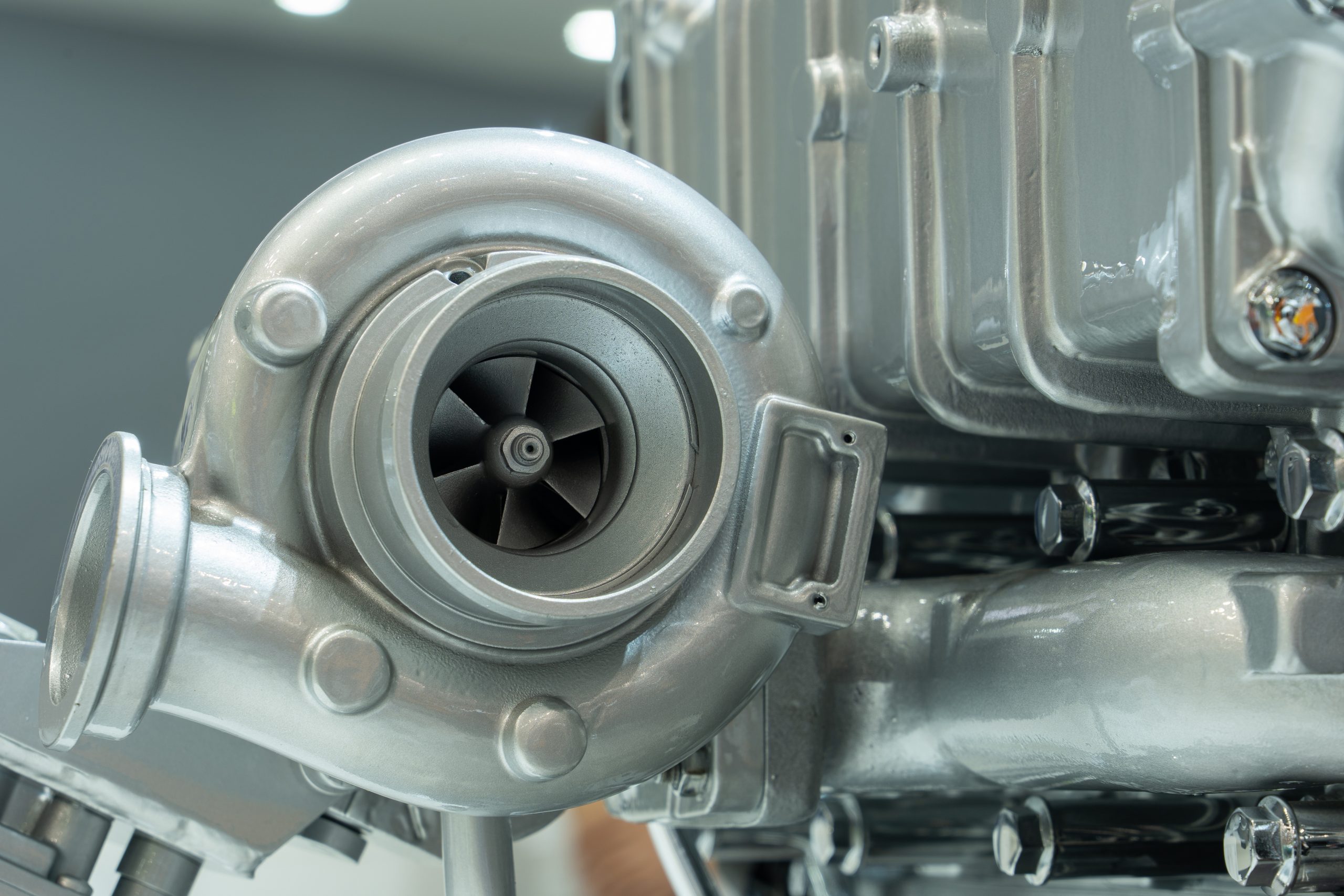
A turbocharger is a compact air pump that uses exhaust gas energy to compress the fresh air going into your engine. More air means more oxygen, which helps your engine burn fuel more efficiently. The result is stronger acceleration without a big jump in engine size. Many modern gas and diesel vehicles use turbos to balance power, fuel economy, and emissions.
Inside a turbo are two main wheels linked by a shaft. Exhaust spins the turbine wheel, which turns the compressor wheel to push more air into the intake. Bearings in the center section keep the shaft spinning freely at very high speeds. The system also relies on good engine oil for lubrication and cooling, as well as tight intake and exhaust plumbing to hold boost pressure. When any of these parts are worn, restricted, or leaking, you start to feel the symptoms of bad turbocharger performance.
5 Bad Turbocharger Symptoms You Should Not Ignore
1. Whistling, Siren, or Dentist Drill Sounds
A healthy turbo will often make a soft whistle as it spools up under load. What is not normal is a sharp, rising siren sound, a high pitched dentist drill tone, or a loud whoosh that shows up even under light throttle. These noises can point to air leaks, worn bearings, wheel contact with the housing, or a failing diverter or wastegate component.
If the whistle gets louder over time, or if you hear it at idle or during steady cruising, your turbocharger may be wearing out. Left alone, a bad bearing can cause contact between the blades and housing, which can send metal into the intake and damage the engine. That is one of the more serious symptoms of bad turbocharger function and it deserves quick attention.
- Whistle grows with RPM and does not fade when you lift off the throttle
- New chirps or flutter after gear changes
- Whining that continues after the engine is shut off in turbo timer systems
2. Loss of Power and Slow Acceleration
Underboost is a classic warning sign. You push the pedal, yet the car feels flat or lazy. Turbo lag feels longer than it used to. You might have trouble merging onto the highway or passing. If your vehicle has a boost gauge, it may show lower boost than normal. Some cars enter a reduced power or limp mode when they detect a problem.
Power loss can come from many roots. Boost leaks from loose clamps, cracked hoses, or a split intercooler pipe are common causes. A stuck wastegate or a bad control solenoid can bleed away boost. On the turbo itself, worn bearings and damaged compressor blades reduce efficiency. If you notice repeat loss of power along with other symptoms of bad turbocharger performance, it is time for a proper test.
- Hesitation or surging under steady throttle
- Strong fuel smell during hard acceleration
- More downshifts needed to maintain speed
3. Excessive Exhaust Smoke
Smoke color gives helpful clues. Blue smoke often points to oil getting past turbo seals and burning in the exhaust. Black smoke suggests a rich mixture from low air supply or boost leaks. White smoke can appear with coolant issues, but on some diesels a heavy white haze during acceleration can also stem from turbo and fueling problems.
When the center housing seals fail or the bearings wear, engine oil can slip into the exhaust or intake. That creates smoke, oil residue in the intercooler pipes, and a drop in engine oil level. If you see a sudden change in smoke or smell, especially paired with whistles or power loss, these are strong symptoms of bad turbocharger condition.
- Blue smoke after idling, then revving
- Black smoke under boost with poor acceleration
- Oil film inside charge pipes or at the intercooler
4. Check Engine Light and Turbo-Related Codes
The check engine light often turns on when the engine computer sees boost below or above the target. Common codes include P0299 for underboost and P0234 for overboost. You might also see airflow, misfire, oxygen sensor, EGR, or fuel trim codes that are secondary to a turbo or boost system fault.
Ignoring the check engine light can allow a small leak or control issue to become a full failure. If you are seeing drivability problems along with stored turbo codes, you are dealing with clear symptoms of bad turbocharger operation or a connected system fault. A scan and data log during a road test will tell the real story.
- Check engine light after hard acceleration
- Codes returning soon after clearing
- Vehicle enters limp mode under load
5. Oil Consumption and Visible Leaks
Turbochargers depend on clean oil flow. When the oil feed is restricted or the return is blocked, seals can fail, bearings can wear, and the turbo can start to leak. You might see oil at the turbo housing, down the return line, or in the intake tract. Bluish smoke and frequent top-offs between oil changes point to an internal leak.
Addressing oil leaks quickly can save the turbo and the engine. If you find yourself adding oil more often, or you see fresh wet spots near the turbo area, count those as symptoms of bad turbocharger health and schedule a check. The fix might be as simple as a line, gasket, or PCV repair if you catch it early.
- Oil smell after a drive
- Wet oil around compressor inlet or outlet
- Oil level dropping between services
Common Causes Behind Turbocharger Problems
Understanding why turbos fail helps you prevent repeat issues. Here are frequent culprits our team at Wisco Automotive sees during diagnostics:
- Oil starvation or contaminated oil from skipped changes or incorrect viscosity
- Clogged or kinked oil feed and return lines
- Air filter neglect that allows debris to sandblast the compressor blades
- Boost leaks from cracked hoses, loose clamps, or a failing intercooler
- Wastegate or diverter valve failure that causes uncontrolled boost
- Variable geometry vanes stuck with soot in diesel applications
- Exhaust leaks before the turbo that reduce energy to spin the turbine
- Aggressive tuning or overboost requests beyond component limits
- PCV system faults that contaminate intake plumbing with oil
- Restricted catalytic converter or DPF raising backpressure and heat
Can You Keep Driving With Turbo Issues?
It depends on severity. A very mild whistle with no other changes may allow limited driving to a repair shop. Heavy smoke, severe power loss, or loud siren sounds mean you should stop and call for help. Driving on a failing turbo can send metal fragments into the engine, overload the catalytic converter, or cause a dangerous loss of power in traffic.
Wisco Automotive offers towing and roadside assistance in the Burlington area. If you have a flat, need a jumpstart, or your vehicle is no longer safe to drive due to turbo problems, call 262-716-0062. We can get your vehicle to our shop at 496 S. Pine St. and begin diagnostics the same day in most cases.
How Wisco Automotive Diagnoses Turbo Problems
Our Step-by-Step Inspection
Turbo issues need a systematic approach. At Wisco Automotive, we pair certified technicians with modern tools to locate the root cause, not just the symptom. Our process often includes:
- Road test to reproduce noises, lag, and smoke
- Electronic scan for codes and live data like boost, fuel trims, and airflow
- Smoke test for leaks in intake, intercooler, and vacuum lines
- Wastegate and diverter valve function checks
- Visual inspection for damaged hoses, loose clamps, or oil residue
- Oil feed and return line inspection for flow and contamination
- Shaft play and wheel condition check when access allows
- Backpressure and exhaust leak tests as needed
- On diesels, EGR and DPF performance checks and soot load review
Transparent Estimates and Repair Options
Once we find the problem, we explain options in clear terms. Some issues only need a hose, a clamp, or a solenoid. Others need a turbocharger replacement, along with fresh oil, a new filter, and line service to protect the new unit. We discuss OEM, quality remanufactured, or performance options when appropriate. Every repair plan includes steps to prevent repeat failure, such as flushing intercooler pipes, priming the turbo with oil, and updating service intervals.
As a full-service shop, Wisco Automotive also handles related needs like engine diagnostics, emissions testing, electrical diagnosis, and exhaust repairs. That means you get a complete fix under one roof, without bouncing between shops. Our goal is to get you back on the road quickly with confidence in the repair.
Maintenance Tips to Prevent Turbo Trouble
Good habits can extend turbo life and reduce the risk of failure. Follow these practical steps:
- Change oil and filter on time using the correct grade and spec
- Warm up gently and allow a short cool down after hard driving
- Keep the air filter fresh to stop debris from entering the compressor
- Fix vacuum and boost leaks quickly to avoid overworking the turbo
- Avoid cheap or aggressive tunes that push boost beyond safe limits
- Address check engine lights and drivability issues early
- Use quality fuel, and for diesels complete regens and keep injectors clean
- Inspect hoses and clamps during every service to catch cracks or loosening
Fleet Managers: Keep Your Turbo Fleet Reliable
Turbos are common on modern fleet vehicles, especially light and medium duty diesels. Downtime is expensive, and repeat turbo failures are often preventable. Wisco Automotive offers fleet maintenance programs built around your routes and schedules. We track service intervals, perform regular inspections, and handle on-site or priority repairs to keep your vehicles rolling. From oil changes and brakes to diagnostics and exhaust service, we manage the details so your team can stay productive. Ask us about preferred fleet rates and rapid turnaround options.
Why Drivers Choose Wisco Automotive in Burlington, WI
Wisco Automotive brings dealer level capability with a friendly, local touch. Our team is known for certified work, accurate diagnostics, and fast service. Whether you drive a daily commuter, a diesel work truck, or a small fleet, we are ready to help with any turbo related concern and much more.
- Full-service auto repair and maintenance for cars, trucks, and fleets
- Engine diagnostics, emissions testing, brake service, suspension, drivetrain, and exhaust repairs
- Electrical diagnosis, remote start installations, and backup camera installs
- Certified ignition interlock device installations for Intoxalock, LifeSafer, and Smart Start
- Tire services with major brands like Bridgestone, Goodyear, Michelin, Firestone, and Uniroyal
- Towing and roadside assistance for lockouts, jumpstarts, flats, and towing
- Convenient hours Monday to Friday 8 AM to 5 PM, Saturday 8 AM to 12 PM
- Easy scheduling at 262-716-0062 or visit wiscoautomotive.com
- Local and convenient at 496 S. Pine St., Burlington, WI
FAQs About Turbocharger Symptoms
Is a little turbo whistle normal?
Yes, a soft whistle under load is common. What is not normal is a loud siren, a drill like whine, or noise that shows up at idle and grows over time. If you hear that, or you notice other symptoms of bad turbocharger performance like smoke or power loss, schedule a check right away.
How much does a turbo repair or replacement cost?
Costs vary based on the vehicle, parts availability, and whether the issue is a leak, control fault, or the turbo itself. Some repairs are as simple as a hose or solenoid. A full turbo replacement, including new lines, gaskets, oil, and filter, will cost more. Wisco Automotive will provide a clear estimate after diagnostics so you can decide with confidence.
Can a dirty air filter damage my turbo?
Yes. A clogged or torn air filter can let debris erode compressor blades or starve the turbo of clean airflow. Replacing your air filter on schedule is an easy way to protect the turbo and keep performance steady.
Do gas and diesel turbos fail for different reasons?
Both rely on clean oil and tight plumbing, so many causes overlap. Diesel turbos can also suffer from soot related issues like stuck variable vanes and higher exhaust backpressure from DPF problems. Gas turbos may show more boost control and diverter valve faults. Either way, the same core inspection process will find the source of your symptoms.
How long should a turbo last?
With proper maintenance, many turbos last well over 100,000 miles. Lifespan depends on oil quality, driving habits, heat management, and timely repairs of small leaks or control issues. Follow the prevention tips in this guide and keep service up to date to get the most life from your turbocharger.
What To Do If You Notice Symptoms of Bad Turbocharger Performance
Do not ignore new whistles, power loss, or smoke. Start with a visual check for loose clamps or torn hoses if you are comfortable doing so. Avoid heavy throttle until the issue is diagnosed. Check your oil level and top off if needed, but do not rely on that as a fix. Call Wisco Automotive for a quick visit. We can scan for codes, pressure test the system, and give you straight answers the same day in most cases.
If the vehicle is unsafe to drive, use our towing and roadside assistance. We will get your car or truck to our shop and prioritize the diagnostic. Our goal is simple. We want to protect your engine, restore your power, and prevent costly repeat failures.
Protect Your Engine Today: Contact Wisco Automotive
Turbo trouble rarely fixes itself. The sooner you act, the more options you have and the less it may cost. If you are noticing any symptoms of bad turbocharger health like whistling, loss of power, smoke, or a check engine light, reach out now. Wisco Automotive is your local, full-service partner for diagnosis, repair, and preventive maintenance. Visit us at 496 S. Pine St., Burlington, WI. Call 262-716-0062 to schedule, or learn more at wiscoautomotive.com. We are open Monday to Friday 8 AM to 5 PM and Saturday 8 AM to 12 PM. Let our team keep your turbo working the way it should, so every drive feels strong and worry free.