

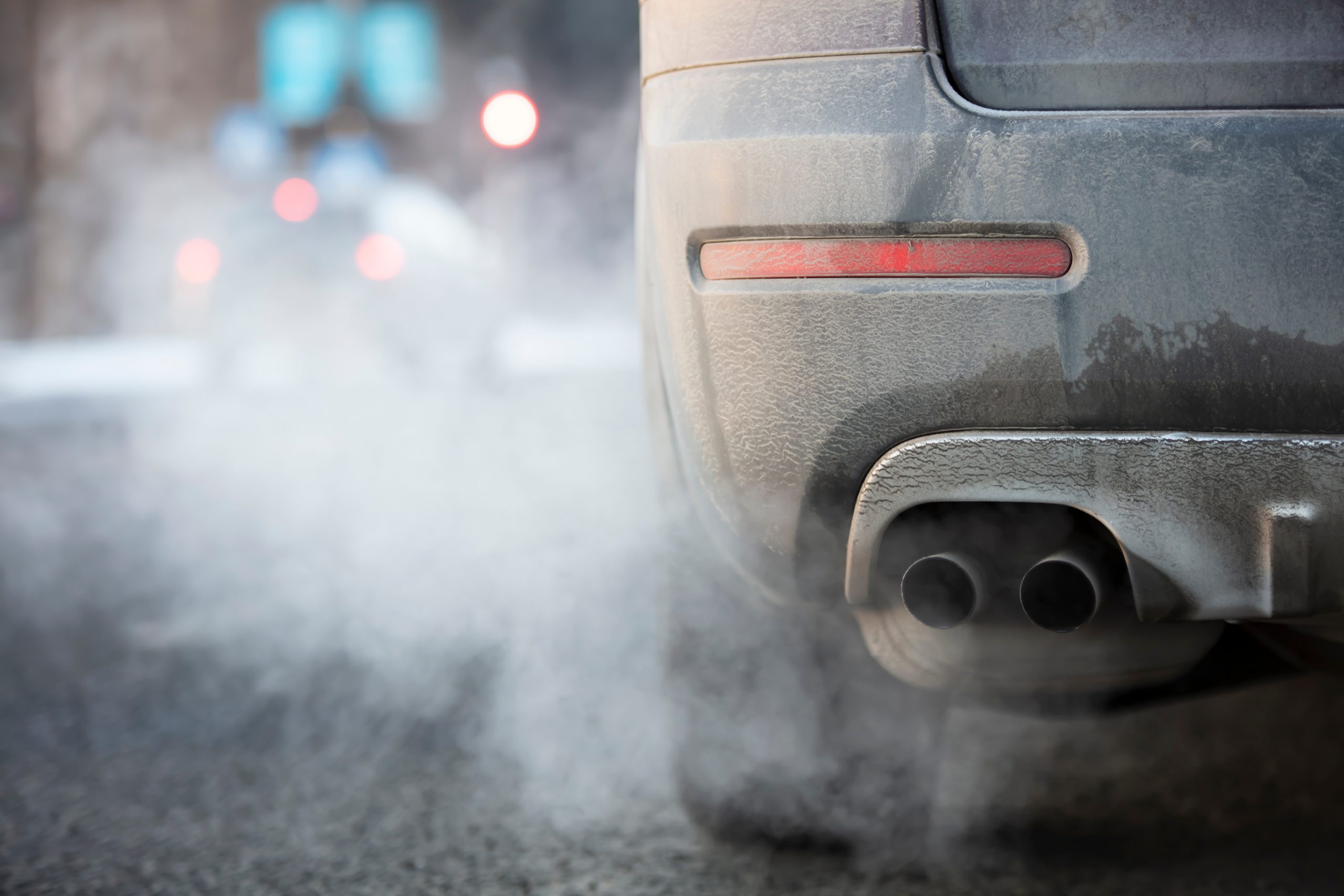
Why an Exhaust Smell in the Car Is an Emergency for Families
If you ever notice an exhaust smell in the car, stop and treat it as an urgent safety issue. Exhaust fumes can contain carbon monoxide and other harmful gases that you cannot see. Even a light odor in the cabin can be a warning that fumes are entering where your family rides. This guide gives you a clear, step by step checklist to keep your loved ones safe, explains likely causes, and shows how Wisco Automotive in Burlington, WI can help you fix the problem the right way.
At Wisco Automotive, we care about family safety as much as you do. Our team helps drivers across Racine and Walworth Counties diagnose exhaust leaks, repair faulty seals, and restore clean air inside the vehicle. If in doubt, call us before you drive. We are here Monday to Friday from 8 AM to 5 PM, and Saturday from 8 AM to 12 PM at 262-716-0062.
How to Recognize an Exhaust Smell in the Car
What the odor may smell like
Exhaust can smell sharp, metallic, or slightly sweet depending on the fuel and engine temperature. Some people describe it as a hot, gassy odor or a strong tailpipe smell that rides along with the airflow from vents or seeps in when the car is stopped. It may be more noticeable at stoplights, in traffic, or with the heater or defroster turned on.
Symptoms your family might feel
- Dizziness, lightheadedness, or confusion
- Headache or pressure around the eyes or forehead
- Nausea or an upset stomach
- Sleepiness or weakness that feels unusual
- Shortness of breath or chest tightness
If anyone in the car has these symptoms, get everyone into fresh air right away. Children and older adults can be more sensitive than others.
Vehicle clues that pair with the smell
- Louder than normal exhaust noise under the hood or near the floor
- Ticking sound on cold start that quiets as the engine warms up
- Exhaust soot around the tailgate, rear bumper, or hatch seal
- Rust or holes on the muffler, flex pipe, or near welded joints
- Rear window fogging that clears slowly or strange airflow in the cabin
Immediate Steps if You Notice an Exhaust Smell in the Car
- Stop the car in a safe place as soon as you can. Do not keep driving and do not idle in a garage.
- Get everyone outside into fresh air. If symptoms are severe or do not improve, call emergency services.
- Turn off the climate control. Open windows to ventilate the cabin if you must move the vehicle to a safer location.
- Switch off recirculation mode. This can trap fumes inside. Fresh air mode may help while you move to safety.
- Avoid using remote start until the issue is fixed. Starting the car near a home or in a closed space can let fumes build up.
- Arrange a tow to a qualified shop. Wisco Automotive offers towing and roadside assistance, including jumpstarts, lockouts, flat tire help, and vehicle towing.
- Note when the smell appears. Cold starts, stoplights, or hills can help your technician find the source.
- Schedule a full exhaust and HVAC inspection. Ask for a carbon monoxide check and a pressure or smoke test on the exhaust system.
Common Causes of an Exhaust Smell in the Car
Exhaust system leaks
Any break in the exhaust path can let fumes escape under the hood or beneath the car, where they can flow into the cabin. Likely points include the exhaust manifold and gasket, the flex pipe, catalytic converter flanges, mid-pipe joints, muffler seams, and the tailpipe. A small crack can leak more when the engine is cold, then shrink as parts heat and expand. Rust from Wisconsin winters makes these leaks more common, especially on vehicles that see road salt.
Body seals and openings
Even if the exhaust system is sound, fumes can still reach the cabin through gaps. Worn hatch or trunk seals, missing body plugs and grommets in the floor, damaged firewall gaskets, or unsealed aftermarket wiring holes are frequent culprits. SUVs, hatchbacks, and minivans can pull exhaust forward due to airflow behind the vehicle, especially if a rear window is cracked open or the hatch seal is torn.
HVAC intake and cabin filter issues
The fresh air intake for the heating and air conditioning system sits near the base of the windshield. If the intake is blocked by leaves, or if the cabin filter is missing or installed wrong, the HVAC system may draw in exhaust from the engine bay. A clogged or soaked cabin filter will not cause exhaust gases by itself, but it can increase odors and reduce clean airflow.
Fuel or oil smells mistaken for exhaust
Raw fuel smells point to a different problem like a leaking injector, loose gas cap, or fuel line seep. An oily, burnt smell often means oil is leaking onto a hot surface such as the exhaust manifold. While these are not exhaust leaks, they still demand quick service and can produce smoke or irritants. If you are unsure, describe the odor to a technician at Wisco Automotive so we can help you pinpoint the source.
Aftermarket parts and prior repairs
Poor fitting manifolds, cheap gaskets, mismatched clamps, or broken studs can all lead to slow leaks. If a catalytic converter was replaced and the flanges were not cleaned or aligned well, fumes can slip through. Prior collision damage or rust repairs can also leave small openings that need sealing.
A Family-Focused Safety Checklist Before Your Next Drive
Use this short checklist any time you suspect an exhaust smell in the car. It can help you decide if it is safe to move the vehicle and what to check at home while you arrange repairs.
- Look for visible exhaust leaks. With the car off and cool, check for soot around the tailpipe, muffler, and rear bumper. If you see black residue on the hatch or bumper, plan to tow the vehicle.
- Check the hatch and door seals. Press lightly around the rubber seals. If they are cracked, torn, or flattened, fumes may be entering the cabin.
- Inspect floor grommets and plugs. Look for missing rubber plugs or holes in the cargo area or under floor mats. Do not use tape as a permanent fix.
- Review the cabin filter. If you know how, remove and inspect the cabin filter near the glove box or under the cowl. Replace it if dirty, wet, or damaged.
- Turn off recirculation. Make sure the HVAC is set to fresh air. Recirculation can trap fumes once they are inside.
- Avoid idling in closed spaces. Never warm up the car in a garage, even with the door open. Move outside first.
- Listen on cold start. A ticking or tapping noise near the engine can point to a leaking manifold gasket.
- If the smell is strong or symptoms appear, do not drive. Call Wisco Automotive for towing and same day diagnostics whenever possible.
How Wisco Automotive Diagnoses and Fixes Exhaust Smells
Our shop at 496 S. Pine St., Burlington, WI uses proven steps to find and eliminate the source. We pair modern equipment with careful inspection so your family can breathe easy again.
- Interview and road test. We start by noting when you smell the odor and under what conditions. A short road test helps us reproduce the issue if it is safe to do so.
- Exhaust smoke and pressure testing. We use low pressure smoke or a safe gas to find even tiny leaks at gaskets, flex joints, and seams.
- Visual and sound inspection. We check for rust, cracked welds, broken hangers, or ticking noises that change with engine speed.
- HVAC intake and cabin checks. We inspect the cowl, plenum drains, and cabin filter housing for blockages or missing seals.
- Body and seal review. We check hatch and door weatherstrips, floor plugs, firewall grommets, and any aftermarket wiring pass throughs.
- CO detection. We can use a sensor to check for carbon monoxide in the cabin during idle and light load conditions.
- Quality parts and precise installation. We install OE grade gaskets, stainless clamps when possible, and correct hardware torque values for a durable repair.
- Final verification. After repairs, we re test with the HVAC in different modes and confirm there is no cabin odor or CO presence.
Wisco Automotive is a full service auto repair and maintenance shop. Beyond exhaust and emissions work, we offer oil changes, brake service, engine diagnostics and repairs, electrical diagnosis, suspension, drivetrain, and undercar care. We handle tires from Bridgestone, Goodyear, Michelin, Firestone, and Uniroyal. We also install remote starts and backup cameras, and we are certified to install ignition interlock devices for Intoxalock, LifeSafer, and Smart Start. For roadside needs, our team provides towing, lockout help, jumpstarts, and flat tire service. Local businesses trust us for efficient fleet maintenance that keeps their vehicles safe and on schedule.
Cold Weather, SUVs, and Minivans: Extra Tips for Wisconsin Families
Winter and ice buildup
Ice can block a tailpipe and force exhaust under the car, where it can creep into the cabin. Before you start the car, clear snow from the rear bumper and tailpipe. Avoid idling while parked in deep snow. Salt and moisture also speed up rust, so have your exhaust inspected at least once a year, especially if you hear new noises in winter.
Remote start safety
Remote start is convenient, but never run the engine in a garage, under a carport, or next to a closed house entry. Start the car outside, with a clear tailpipe, and avoid recirculation mode. If you smell exhaust after a remote start, shut the car off, ventilate, and call Wisco Automotive for help.
Rear hatch airflow on family vehicles
SUVs, hatchbacks, and minivans can draw fumes forward due to low pressure behind the vehicle. Keep the hatch closed while driving. Repair torn hatch seals right away. If you must carry long items with the hatch partially open, use proper tailgate straps and open a front window slightly to improve airflow, then drive only a short distance to a shop.
Fleet, Rideshare, and Work Vehicles
If your business depends on safe transport, an exhaust smell in the car or van is a liability and a health risk. Wisco Automotive provides fleet maintenance, scheduled inspections, and priority repairs that reduce downtime. We document findings for compliance and help you plan replacements or rust prevention to avoid repeated failures.
Frequently Asked Questions About Exhaust Smells
Is it safe to drive a short distance if the smell is faint?
It is not safe. Carbon monoxide has no color and can build up fast inside. If you must move the vehicle to a safer spot, open windows, set HVAC to fresh air, and drive the shortest route. Then arrange a tow or service visit.
Can a bad cabin air filter cause the smell?
A bad or missing cabin filter will not create exhaust gases, but it can make odors stronger and allow more outside air into the cabin. Replace the filter as part of the repair, but also fix the true exhaust or seal issue.
Why do I smell exhaust only at stoplights?
When stopped, fumes can gather around the vehicle and get pulled in through leaks or the HVAC intake. A small leak near the engine bay often becomes more noticeable at idle or with the heater on.
Could a check engine light be related?
Yes. Codes for oxygen sensors, fuel trim, or catalyst efficiency can appear with exhaust leaks. Leaks before the oxygen sensors can fool the engine computer and lead to rich or lean conditions, which can also increase odors.
What do repairs usually involve?
Typical fixes include replacing manifold gaskets or studs, repairing flex pipes, sealing flanges, replacing rusty mufflers or tailpipes, and restoring body seals or grommets. A correct diagnostic plan avoids replacing parts that are not the cause.
When to Choose Towing Over Driving
- The odor is strong or causes symptoms like headache, dizziness, or nausea
- You see visible exhaust smoke entering the engine bay or cabin
- There is heavy rust or a hole in the muffler or near the passenger area
- The tailpipe is blocked by snow or crushed from impact
- You smell exhaust with the rear hatch closed and HVAC off
When in doubt, call Wisco Automotive. We can tow your vehicle and start diagnostics right away so you do not risk your family’s health.
Prevention: Keep Exhaust Smells Out of Your Car
- Schedule annual exhaust and undercar inspections, especially before winter
- Replace worn hatch and door seals before they tear
- Install a quality cabin air filter at the recommended interval
- Keep the cowl area clear of leaves to protect the HVAC intake
- Rinse the underbody to reduce salt buildup and rust after winter storms
- Fix check engine lights quickly to prevent extra exhaust stress
- Avoid idling in closed or crowded areas where fumes can pool
- Use trusted parts and proper installation when repairing exhaust components
Why Families Trust Wisco Automotive
Families across Burlington and the surrounding communities count on Wisco Automotive for clear communication, quality parts, and a quick turnaround. We are a full service shop that can handle everything from emissions testing to electrical diagnosis, brakes, suspension, and engine repairs. If a tire issue comes up during your visit, we carry major brands like Bridgestone, Goodyear, Michelin, Firestone, and Uniroyal. If you need convenience options, we install remote starts and backup cameras. For court ordered programs, we are certified for ignition interlock device installations with Intoxalock, LifeSafer, and Smart Start. Our goal is to solve the problem right the first time and keep your family safe on the road.
Contact Wisco Automotive
If you notice any exhaust smell in the car, call us before your next trip. Wisco Automotive is located at 496 S. Pine St., Burlington, WI. We are open Monday through Friday from 8 AM to 5 PM and Saturday from 8 AM to 12 PM. Call 262-716-0062 or visit wiscoautomotive.com to schedule service or request towing. We are ready to help you protect your family today.