

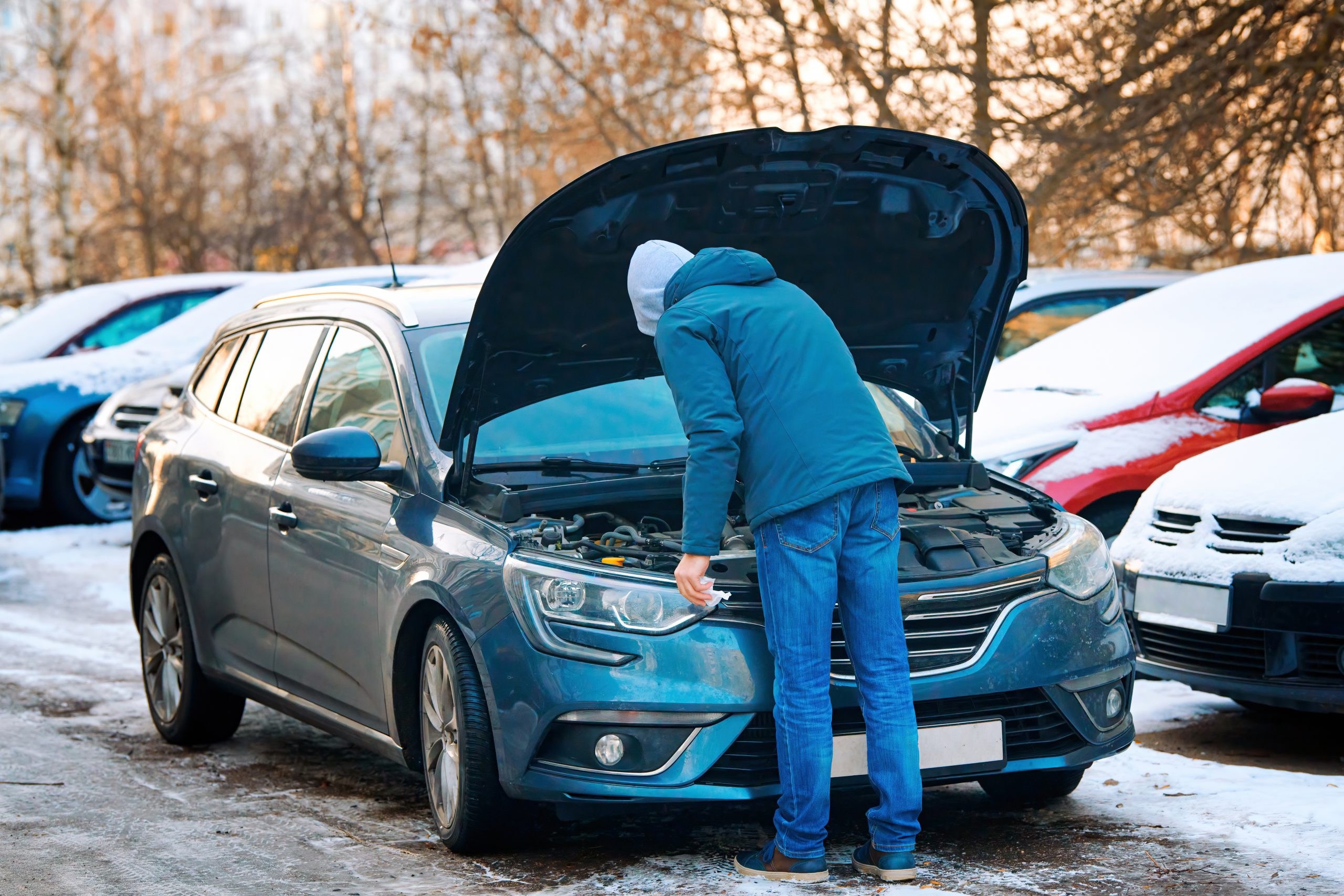
Stuck in the Cold With a No-Start? You’re Not Alone
If your car won’t start in cold weather but the battery is new, take a breath. This is a common winter problem in Wisconsin and it does not always point to the battery. Cold temperatures slow chemical reactions, thicken engine oil, and expose weak components that seemed fine in warmer months. At Wisco Automotive in Burlington, WI, we see this every winter and help drivers get back on the road fast. In this guide, we explain what really causes cold start problems, simple checks you can do at home, and when it is best to call our team for professional diagnostics and repair.
Car won’t start cold weather new battery? This quick guide will help you diagnose starters, fuel delivery, sensors, and more so you can make a smart next step without guessing.
Why Your Car Struggles in the Cold Even With a New Battery
Cold weather affects more than just the battery. Thick fluids and higher electrical loads can push a borderline system over the edge. Here are the top reasons you might be dealing with a no-start, even with a recent battery replacement:
- Engine oil thickens in low temps, which makes the starter work harder and draws more current.
- Fuel does not vaporize as easily, so older spark plugs or weak ignition systems have a tougher job lighting the mixture.
- Electrical resistance rises and corrosion stiffens connections, reducing the voltage your starter and fuel pump receive.
- Sensors like the engine coolant temperature sensor can send incorrect data, causing the engine to get the wrong fuel mix at startup.
- Alternators can undercharge during short trips, so even a new battery can be low on charge the next morning.
- For diesels, fuel can gel and glow plugs may be weak, making cold starts much harder.
Quick Answer: What To Check First
Before you worry about major repairs, run through these fast checks. Many cold start issues are simple and safe to address at home.
- Verify battery health. A new battery should be fully charged. If you have a voltmeter, look for about 12.6 volts with the engine off. If you see close to 12.2 volts, it is not fully charged.
- Inspect and clean the terminals. Look for white or green buildup. Tighten the clamps and check the ground cable where it bolts to the body and engine.
- Turn off accessories. Heater fan, lights, and seat warmers add load. Try starting with everything off.
- Listen closely. No crank and no click points to a connection, relay, or security issue. One click can mean a starter problem. Rapid clicks often mean low voltage.
- Check the gear selector and clutch switch. Try starting in neutral instead of park. Press the clutch all the way down if you drive a manual.
- Try your spare key. A weak key fob battery or immobilizer glitch can block the start on push-button systems.
- Cycle the key to prime the fuel system. Turn the key to run for 5 seconds, then back off. Repeat three times, then crank.
- Consider a safe jump-start. Even a new battery can be low after a short commute. If it fires up with a jump, you may have a charging or parasitic draw issue.
Step-by-Step Diagnosis When the Car Won’t Start in Cold Weather With a New Battery
1. Battery and Charging System
A new battery can still be undersized, undercharged, or paired with a weak alternator. Cold weather also reduces available cranking amps. Confirm the basics before moving on.
- Voltage check: 12.6 volts resting is ideal. During cranking, voltage should not dip below about 9.6 volts.
- After it starts, charging voltage should read about 13.8 to 14.7 volts.
- Use the right CCA rating for Wisconsin winters. If the battery is smaller than recommended, cranking will be sluggish in the cold.
- Consider a battery blanket or tender if the car sits outside overnight in extreme cold.
2. Corroded Terminals and Weak Grounds
Cold can worsen poor connections. High resistance across dirty terminals or a weak ground acts like a bottleneck.
- Remove the negative cable first, then the positive. Clean terminals and posts until shiny.
- Check the ground strap from battery to body and from body to engine. Replace frayed or corroded straps.
- If you have a meter, a quick voltage drop test during cranking can reveal bad connections.
3. Starter Motor, Relays, and Switches
If the engine does not turn but you hear a click, the starter solenoid could be sticking. Slow cranking suggests the starter motor is drawing too much current or fighting thick oil. A silent no-crank can point to a start relay, ignition switch, or neutral safety switch.
- Rapid clicks are often low voltage or poor terminals. Recheck connections or try a known-good jump pack.
- A single heavy click with no crank usually points to the starter or solenoid.
- On some models, the starter relay or fuse in the under-hood box fails more often in cold weather. Checking these is quick and inexpensive.
- Manual transmission cars rely on a clutch switch. Automatic cars rely on a park or neutral safety switch. These can misbehave in freezing temps.
4. Fuel Delivery in Freezing Temps
Cold weather magnifies fuel problems. Water contamination can freeze, filters clog faster, and a weak pump may not deliver enough pressure at startup.
- Listen for the fuel pump prime when you turn the key to run. A silent pump may have failed or lost power through a relay.
- Keep the tank at least half full to reduce condensation and ice.
- A bottle of fuel line de-icer can help in a pinch if you suspect moisture. Follow label directions.
- If it cranks but will not fire, low fuel pressure or an injector problem is likely. Professional pressure and volume tests can pinpoint the cause.
5. Ignition: Spark Plugs, Coils, and Wires
Spark needs to be strong during cold starts. Worn plugs with wide gaps, cracked plug wires, or a weak coil will struggle in chilly air.
- If the engine cranks and tries to catch but stalls, suspect weak spark or flooded cylinders.
- Replace plugs at the intervals in your owner’s manual. In cold climates, worn plugs show their age sooner.
- On vehicles with distributorless ignition or coil-on-plug, a single weak coil can prevent a start in the cold.
6. Air Intake and Key Sensors
The engine management system enriches fuel on cold starts. If sensors lie, the mixture will be off and the car may not start.
- Engine coolant temperature sensor: If it reads warm when the engine is cold, the ECU will not enrich fuel enough.
- MAF or MAP sensor: A dirty MAF can skew airflow readings. Cleaning with the correct cleaner can help.
- Throttle body and idle air passages: Carbon can block airflow needed for cold idle. A throttle body service often revives hard cold starts.
- Vacuum leaks: Split PCV hoses or intake boots lean out the mixture.
7. Engine Oil and Fluids
Using the wrong oil grade can make a cold start painful. Thick oil increases drag and slows cranking speed. In Wisconsin winters, many vehicles require 0W-20, 5W-20, or 5W-30 depending on the engine. Wisco Automotive can advise the right oil for your vehicle and season. While you are at it, confirm coolant strength and level. Weak coolant can cause poor cabin heat and stress engine warm-up.
8. Key, Immobilizer, and Push-Button Start Systems
Modern security systems prevent the engine from running if the key or fob is not recognized. Cold can sap a fob battery and create false alarms in the system.
- Replace the fob battery. It is an easy and cheap test.
- Watch for the security light staying on or flashing. If it does, the immobilizer may be active.
- On push-button cars, press the brake firmly. A weak brake switch or icy pedal travel can prevent the start request from completing.
9. Emissions and Exhaust Factors
A stuck open EGR valve can cause rough running or stalling right after a cold start. A heavily restricted catalytic converter may allow cranking but not sustained running. While rare, a frozen exhaust tip packed with slush or snow can create excessive backpressure and prevent a start. Check for obstructions if you parked in a drift.
10. Diesel Engines in Winter
Diesels need special attention when it gets cold. Weak glow plugs, a failing relay, or gelled fuel can stop a start in its tracks.
- Wait for the glow plug light to go out before cranking. If it never comes on, the system likely needs service.
- Use winterized diesel and keep a proper anti-gel additive on hand.
- Drain the water separator and change fuel filters on time.
What the Sounds Mean
- No sound and dash lights dim: Poor connection or dead battery charge. Check terminals and ground points.
- Rapid clicking: Low voltage or high resistance in the circuit.
- Single click, no crank: Starter, solenoid, or start relay issue.
- Slow cranking: Thick oil, weak starter, or insufficient battery size for the climate.
- Cranks but does not start: Fuel delivery, ignition, or sensor-related problem.
- Starts then stalls: Immobilizer, throttle body, idle air control, or sensor fault.
Try These Safe At-Home Fixes
- Warm the battery by bringing the car into a garage if possible. Even a few degrees helps.
- Clean and tighten battery terminals and grounds.
- Use a reputable jump pack or jumper cables. Follow proper safety steps and polarity.
- Add fuel line de-icer if you suspect frozen moisture in the lines.
- Try starting in neutral. For manuals, press the clutch to the floor.
- Key cycle to prime the fuel system three times before cranking.
- Turn off headlights, blower fan, and heated seats while starting.
- Charge the battery overnight with a smart charger to restore full capacity.
- If the engine is flooded, hold the pedal down while cranking for 5 to 10 seconds to clear extra fuel. Use caution and avoid extended cranking.
When It’s Time to Call Wisco Automotive
If you have tried the basics and the car still will not start, contact Wisco Automotive. Our team has the tools and training to diagnose cold start problems quickly and accurately, saving you time and guesswork. We also offer towing and roadside assistance to get you out of a cold parking lot or driveway safely.
Wisco Automotive is a full-service repair shop at 496 S. Pine St., Burlington, WI. We are open Monday through Friday from 8 AM to 5 PM and Saturday from 8 AM to 12 PM. Call 262-716-0062 or visit wiscoautomotive.com to schedule service or request roadside help. We handle individual vehicles and fleets and we back our work with certified, high-quality service and quick turnaround times.
How Wisco Automotive Fixes Cold Start Problems
- Battery and charging system testing with printouts so you know the state of health and charge.
- Starter current draw and voltage drop tests to find hidden resistance in cables and grounds.
- Fuel pressure and volume checks to confirm pump, regulator, and filter performance.
- Scan tool diagnostics to verify coolant temperature readings, intake air data, and sensor accuracy.
- Throttle body and MAF cleaning services to restore proper airflow and idle control.
- Software updates and reprogramming when factory bulletins address cold start behavior.
- Starter, relay, and ignition switch replacement when needed.
- Oil changes with the correct winter-rated oil for easier cranking.
- Key fob battery replacement and immobilizer diagnostics for push-button start cars.
- Block heater and battery tender solutions for severe cold conditions.
- Remote start installations to pre-warm your vehicle. Wisco Automotive installs dependable remote start systems and backup cameras to make winter driving easier.
- Tire inspection and replacement. We work with Bridgestone, Goodyear, Michelin, Firestone, and Uniroyal for traction you can trust on icy roads.
- Fleet maintenance plans that keep your vehicles starting and running on time, even on the coldest mornings.
- Certified ignition interlock device installations for Intoxalock, LifeSafer, and Smart Start when needed.
Prevent Problems Before the Next Cold Snap
- Replace the battery every 4 to 5 years and choose one with the right cold cranking amps.
- Keep the fuel tank at least half full in winter to reduce moisture and ice risk.
- Use the oil viscosity recommended for cold climates in your owner’s manual.
- Stay current with tune-ups and spark plug replacements.
- Clean the throttle body and MAF sensor at regular intervals.
- Inspect belts and hoses for cracks. Cold weather can finish off aging rubber parts.
- Test coolant strength and level to protect the engine and improve warm-up.
- Use a battery maintainer if the vehicle sits for days at a time.
- Park indoors or use a block heater when possible.
- Schedule a pre-winter inspection with Wisco Automotive to catch weak parts before they fail.
FAQ: Car Won’t Start in Cold Weather but Battery Is New
Why did my car still click with a new battery?
Rapid clicking often means the battery voltage is dropping too low under load. Even a new battery can be undercharged or paired with corroded terminals, a weak ground, or a high-draw starter. Have the charging system tested and clean the connections. Wisco Automotive can run a full diagnostic and give you clear results.
Should I keep trying to crank the engine?
No. Limit each attempt to about 10 seconds and wait a minute between tries. Long cranking overheats the starter and drains the battery. If it does not catch after a few attempts, it is time to troubleshoot further or call for help.
Is jump-starting safe for a new battery?
Yes, if done correctly with good cables or a quality jump pack. Follow the proper sequence and make sure connections are secure. If a jump gets it going, you may have an alternator or parasitic draw issue. We can test both.
Will a remote starter help with winter starts?
A remote starter lets the engine warm up before you drive, which eases startup strain and clears windows. Wisco Automotive installs reliable remote start systems that integrate cleanly with your vehicle’s electronics.
Can synthetic oil really make a difference?
Yes. Synthetic oil flows better at low temperatures, reducing drag on the starter and helping the engine build oil pressure faster. The right oil grade can be the difference between sluggish cranking and a smooth start on icy mornings.
Can a bad alternator cause a morning no-start?
Absolutely. If the alternator undercharges during your last drive, the battery may not have enough energy to crank in the morning. A charging system test will confirm. Wisco Automotive performs these tests quickly and provides an estimate before any repair.
What if my car starts then stalls right away?
This can point to a dirty throttle body, a faulty idle air control system, a stuck EGR valve, or an immobilizer issue. In freezing weather, these faults are more noticeable. A proper scan and airflow service often solves it.
What about my fleet vehicles?
Wisco Automotive offers fleet maintenance to keep your vehicles reliable in all seasons. We schedule preventive service, track repairs, and prioritize quick turnaround so your business keeps moving.
Local Help From Wisco Automotive
If your car won’t start cold weather new battery and the quick fixes did not help, Wisco Automotive is ready. Our certified team delivers fast, accurate diagnostics and repairs, plus roadside assistance for lockouts, jumpstarts, flat tires, and towing. We are at 496 S. Pine St., Burlington, WI. Hours are Monday to Friday 8 AM to 5 PM and Saturday 8 AM to 12 PM. Call 262-716-0062 or visit wiscoautomotive.com to book your appointment. From general auto repair and oil changes to brake service, engine diagnostics, emissions testing, electrical diagnosis, suspension, drivetrain, exhaust, tires, remote starts, backup cameras, and certified ignition interlock installations, we handle it all. When winter hits Wisconsin, count on Wisco Automotive to keep your vehicle starting strong and your day on track.