

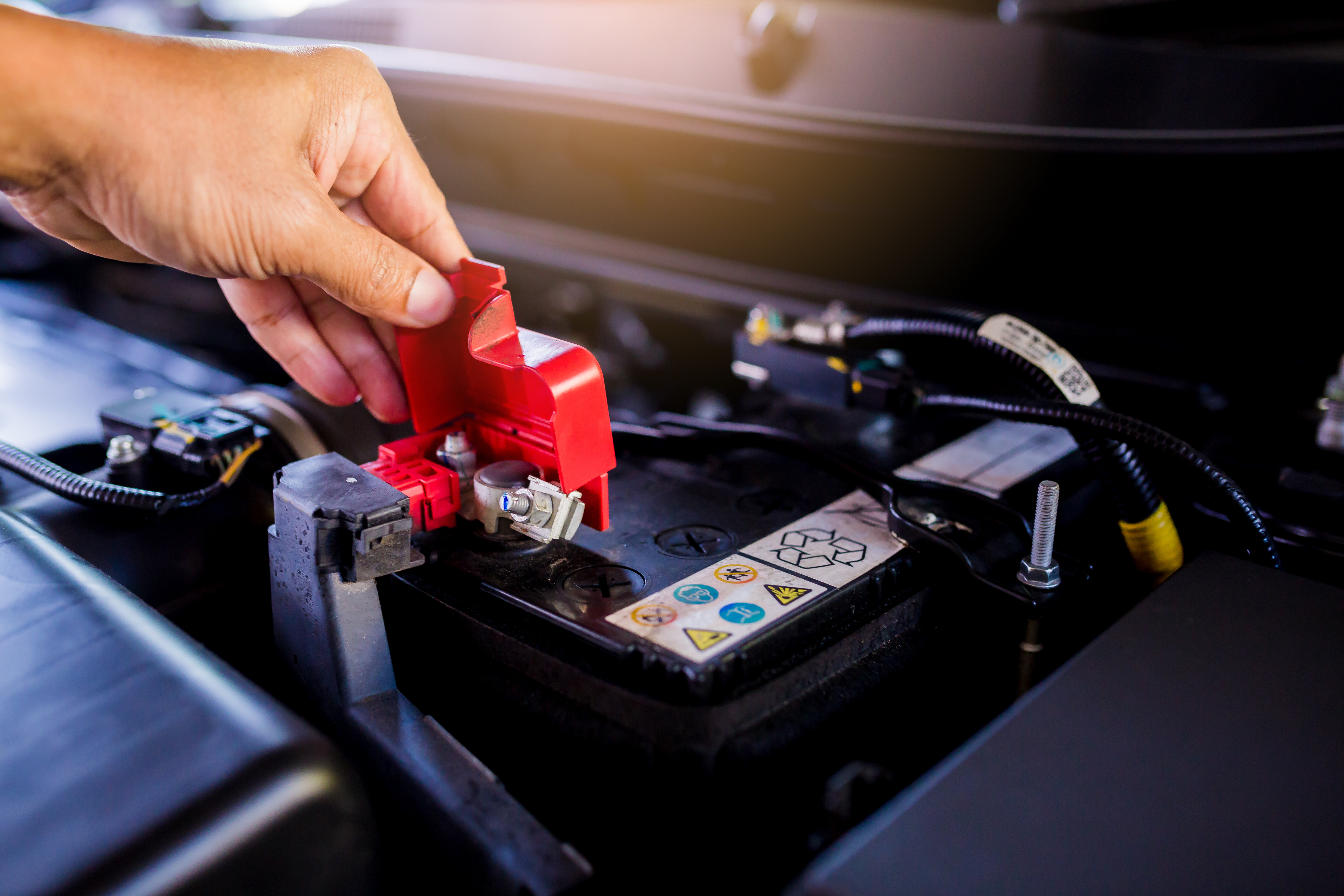
If your battery keeps dying overnight once the temperature drops, you are not alone. Cold weather exposes weak batteries, small electrical problems, and charging issues that may be easy to miss in warmer months. In this guide, the expert team at Wisco Automotive shares the five most common causes shops find, the signs to watch for, and the smartest steps to fix the problem for good. Whether you drive one car or manage a fleet, this will help you get reliable starts on the coldest mornings.
Why Winter Makes a Battery Seem to Fail Overnight
Cold robs power while your engine demands more
A fully charged battery loses a large portion of its available power when temperatures fall. At the same time, cold engine oil gets thicker, and your starter motor needs more current to turn the engine. That combination means a healthy battery is a must in winter. If your battery has aged or sits undercharged, it may crank once late in the day, then be too weak to start in the morning.
Modern vehicles never truly sleep
Even when the key is out, your car draws a small amount of power to keep memory and security systems alive. This is normal. But if any module, light, or accessory stays awake, the draw can grow enough to drain a battery overnight. Winter can make these draws more noticeable because batteries start the night with less reserve capacity.
Aging batteries lose capacity faster in the cold
As a battery ages, the plates inside suffer from sulfation and wear. In warm weather, a weakening battery may still crank. In Wisconsin winters, that same battery may drop below the voltage needed to spin the engine by morning. If your battery is three to five years old, testing it before deep winter is a smart move.
The 5 Causes Shops Find Most Often When Your Battery Keeps Dying Overnight
1. Weak or end-of-life battery
This is the number one cause. A battery near the end of its life can hold enough charge for a short trip in the afternoon, then lose voltage overnight in the cold. Even if the dash lights look bright, the battery may not have the cranking power needed in the morning.
- Common signs: slow cranking, dim lights at idle, a battery older than three years, or a battery light that flickers briefly after startup.
- Quick check: look for a swollen case or corrosion on top of the battery. A free battery test at a trusted shop is best, especially in winter.
- The fix: replace with the correct size and cold cranking amps rating, clean the terminals, and check the charging system.
2. Parasitic draw from lights, modules, or add-ons
A parasitic draw is any electrical drain while the car is off. A normal draw is small. A problem draw is larger and lasts for hours, which can empty a battery overnight. Winter highlights these draws, since margin is smaller in the cold.
- Common culprits: glove box or trunk lights that stay on, a stuck relay, a radio that does not power down, aftermarket accessories like dash cams or stereos wired to constant power, telematics trackers, and door or liftgate modules that do not sleep.
- Hidden issue: a failing alternator diode can create a backfeed that drains the battery while parked, even if the alternator seems to charge while running.
How shops confirm it: a parasitic draw test measures current flow with the car off after modules go to sleep. Wisco Automotive uses a low-amp clamp and meter to pinpoint the circuit, then tracks the exact component that needs repair.
3. Charging system problems, including bad alternator diodes
If the alternator does not fully recharge the battery during your drive, the battery can start the night undercharged. In cold weather, that reduced state of charge can be the difference between starting and silence in the morning. An alternator can also show normal output but have a bad internal diode that both weakens charging and creates an overnight drain.
- Common signs: battery light on or flickering, dimming lights when accessories run, squealing belt, or a sulfur smell. In some cases there is no warning light at all.
- The fix: charging system test under load, alternator ripple test, belt and tensioner inspection, and repair or replacement as needed.
4. Loose, corroded, or damaged battery cables and grounds
Dirty terminals and weak grounds act like a narrow pipe. The alternator cannot refill the battery quickly, and the starter cannot draw enough current. Overnight, small voltage losses at corroded connections can combine with the cold to create a no-start in the morning. It can look like the battery keeps dying overnight when the real problem is resistance in the cables.
- What to check: green or white crust on terminals, loose terminal clamps that twist by hand, frayed ground straps, and aftermarket cable ends that do not fit well.
- The fix: clean and protect terminals, tighten clamps, repair or replace damaged cables, and test voltage drop on main power and ground cables.
5. Winter driving habits that keep the battery undercharged
Short trips with heavy electrical use can leave your battery below full charge day after day. Heated seats, rear defrost, blower fans, wipers, and lighting demand a lot. If your commute is ten minutes and you idle while scraping ice, the alternator may not bring the battery back to full before you park. That can make it feel like the battery keeps dying overnight even without a fault.
- Clues: starts are fine after a long highway drive, but weak after short errands in the cold. The battery tests good yet keeps going flat.
- What helps: a 20 to 30 minute drive at least once a week, turning off high-draw accessories a minute before you park, or using a smart charger at home to keep the battery topped up.
Quick At-Home Checks Before You Replace Anything
- Look and listen. Do you hear slow cranking or a click with no crank? Slow cranking points to low battery or poor connections. A single click often suggests a weak battery or high resistance at the terminals.
- Inspect the battery. Check for bulging sides, leaks, or heavy corrosion. Clean the top of the battery and terminals with a proper battery brush and wear eye protection.
- Check interior and trunk lights. Park in a dark area and look through the windows. Make sure no lights stay on after the doors are shut.
- Turn off or unplug accessories. Remove phone chargers, dash cams, or plug-in seat heaters overnight. If the car starts fine the next morning, an accessory may be drawing power.
- Verify the charging light. If the battery light stays on when driving, have the charging system tested soon.
- Try a fully controlled recharge. Use a quality smart charger to bring the battery to full. If it still drops overnight, testing for a draw or battery health is needed.
How Wisco Automotive Finds and Fixes an Overnight Drain
When a battery keeps dying overnight, guessing wastes time and money. At Wisco Automotive in Burlington, WI, our certified technicians follow a proven diagnostic path to identify the root cause fast. We service all makes and models and support both individual drivers and fleets with accurate testing and efficient repairs.
- Battery state of health test. We use professional conductance and load testing to measure capacity, not just voltage.
- Charging system evaluation. We check alternator output, ripple, belt condition, and voltage drop on power and ground cables.
- Parasitic draw measurement. After modules sleep, we measure current draw and isolate problem circuits using an amp clamp and fuse-by-fuse testing.
- Module and wiring checks. We look for stuck relays, faulty switches, glove box and trunk lights, and issues with aftermarket accessories.
- Repair and verify. Once we repair the fault, we confirm proper sleep current and perform a cold start test to ensure the problem is solved.
Wisco Automotive also installs remote starts, backup cameras, and ignition interlock devices the right way, with proper wiring that prevents unintended draws. If another installer created a drain, we can correct it. Our team aims for clear communication, quick turnaround, and reliable results you can trust when temperatures fall.
Fleet Owners: Stop Morning No-Starts Before They Happen
Fleet vehicles see short trips, idling, and heavy accessory use. That makes winter battery problems more likely and more costly. Wisco Automotive provides complete fleet maintenance that keeps your drivers moving, including battery testing, charging system checks, electrical diagnosis, and roadside assistance for jumpstarts and towing when needed.
- Proactive testing before winter and mid-season.
- Standardized batteries with correct cold cranking amps for your vehicles.
- Scheduled inspections that include cables, grounds, belts, and alternators.
- Fast diagnosis and repairs to minimize downtime.
- Support for add-ons like upfitter equipment, telematics, remote starts, and safety cameras with proper wiring and fusing.
Prevent Winter Battery Trouble With Simple Habits
- Test your battery each fall, especially if it is over three years old.
- Keep terminals clean and tight. Use protective spray after cleaning.
- Take a longer drive once a week to fully recharge the battery.
- Turn off high-draw accessories a minute before you shut down.
- Unplug chargers and accessories when parked.
- Use a smart maintainer if the car sits for several days.
- Park indoors or use an engine block heater if possible in extreme cold.
- Have aftermarket accessories installed by pros who understand sleep current.
When to Replace the Battery
Even with perfect maintenance, a battery is a wear item. If your battery keeps dying overnight and testing shows low reserve or high internal resistance, replacement is the right call before you get stranded. Winter is not the time to gamble.
- Age guide: most batteries last three to five years, shorter in harsh climates or with heavy accessory use.
- Test results: if conductance or load testing shows weak capacity, replace it even if it starts today.
- Fit and rating: choose the correct group size, terminal orientation, and cold cranking amps for your vehicle and climate.
- Quality matters: a reputable brand and proper installation with clean connections will save you headaches later.
- After install: retest the charging system and confirm sleep current to avoid repeat issues.
FAQ: Common Questions When Your Battery Keeps Dying Overnight
Why does my car start fine during the day but not in the morning?
Cold temperatures reduce available battery power, and the engine needs more current to start. If your daytime drives are short, the alternator may not fully recharge the battery. By morning, the battery voltage has dropped too low to crank. A weak battery, a small parasitic draw, or both are common causes.
How long should a car battery last in Wisconsin winters?
Three to five years is common. Short trips, heavy accessory use, and extreme cold shorten that range. Regular testing in the fall helps you replace a weak battery before it fails on a cold morning.
Will a new battery fix a bad alternator?
No. A weak alternator may let the car run for a short time, but it will not maintain the battery. You may also see a bad diode in the alternator that both charges poorly and drains the battery overnight. Always test the charging system when replacing a battery.
Can a remote start cause a drain?
A properly installed system should not. Poor wiring, unfused connections to constant power, or modules that do not sleep can cause parasitic draw. Wisco Automotive installs remote starts correctly and can inspect existing systems for power drain.
About Wisco Automotive
Wisco Automotive is a full-service repair and maintenance shop at 496 S. Pine St., Burlington, WI. We handle general auto repair, oil changes, brakes, engine diagnostics and repair, emissions testing, electrical diagnosis, suspension and drivetrain, exhaust, tire services, remote start installs, backup cameras, and certified ignition interlock installs for Intoxalock, LifeSafer, and Smart Start. We also provide towing and roadside assistance, including lockouts, jumpstarts, flat tire help, and vehicle towing. For local businesses, our fleet maintenance program delivers reliable service and fast turnaround to keep your vehicles earning.
Why Drivers Choose Wisco Automotive for Electrical and Battery Issues
- Certified technicians with deep electrical and diagnostic experience.
- Accurate testing of batteries, alternators, and parasitic draws.
- Clear estimates and communication so you know what to expect.
- Fast turnaround and quality repairs that last.
- Support for both individual vehicles and fleets with flexible scheduling.
Call Wisco Automotive for Trusted Help in Burlington, WI
If your battery keeps dying overnight, we can find the cause and fix it right. Visit Wisco Automotive at 496 S. Pine St., Burlington, WI. We are open Monday to Friday from 8 AM to 5 PM and Saturday from 8 AM to 12 PM. Call 262-716-0062 or schedule online at wiscoautomotive.com. Whether you need a battery test, a charging system repair, or a precise parasitic draw diagnosis, our team is ready to help you start strong every morning this winter.