

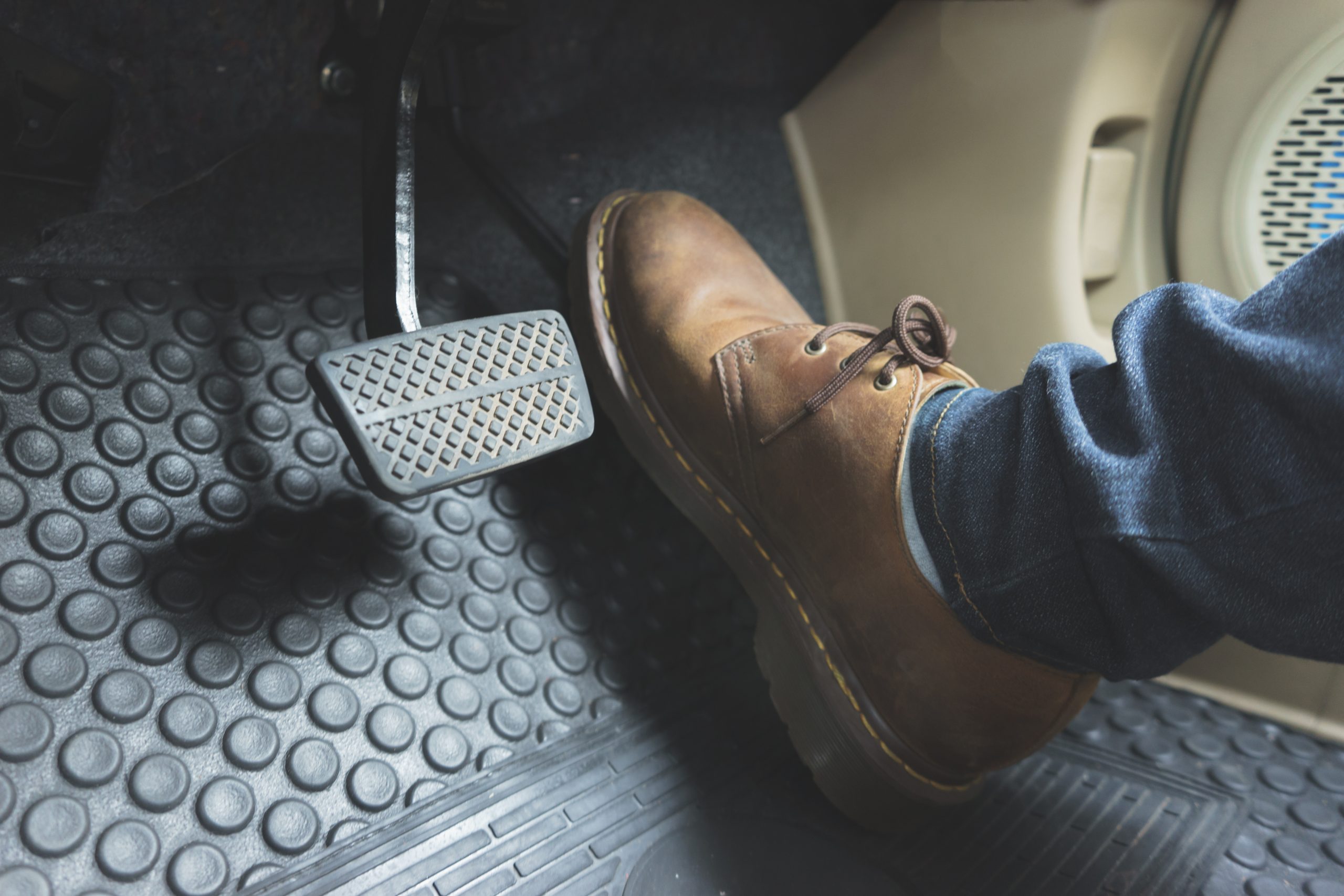
Soft Brake Pedal 101: What You Need To Know
If you press the brake pedal and it feels squishy, spongy, or it sinks closer to the floor than normal, your car is telling you something. Brakes are your most important safety system, so a soft pedal should never be ignored. In this guide, our team at Wisco Automotive explains why your brake pedal feels soft, how to tell if it is safe to drive, and the most common fixes. You will also learn simple checks you can do at home and how professional brake service brings your stopping power back fast.
Is It Safe To Drive With a Soft Brake Pedal?
In most cases, no. A soft brake pedal means your braking system is not building enough pressure to stop your vehicle as designed. Stopping distance increases and control can be reduced. If the pedal sinks to the floor, feels mushy, or you notice a brake warning light, it is not safe to continue driving. Pull over in a safe spot and arrange for help. Wisco Automotive offers towing and roadside assistance, so you can get your vehicle to the shop without risk.
- Do not drive if the brake pedal sinks to the floor at a stop.
- Do not drive if the brake warning or ABS light is on with a soft pedal.
- Do not drive if you see fresh fluid under the car or in the wheels.
- Do not drive if the pedal feel changes suddenly after a bump or hard stop.
If the pedal is only slightly softer than usual and still stops the car, drive with extra space and low speeds to a nearby shop. It is still smart to call ahead and ask for guidance. You can reach Wisco Automotive at 262-716-0062 to discuss what you are feeling before you head in.
Common Causes of a Soft or Spongy Brake Pedal
Air in the Brake Lines
Air compresses, and brake fluid does not. When air gets trapped in the hydraulic lines, the pedal feels soft or spongy because pressure is lost compressing the air. This can happen after a recent brake repair if the system was not bled fully, or when a component has been opened or replaced.
Brake Fluid Leak
A leak in a brake line, hose, caliper, wheel cylinder, or master cylinder reduces system pressure. The pedal may sink toward the floor, and the brake warning light may come on. You might see wet spots near a wheel, a line underneath the car, or fluid inside the brake booster from a leaking master cylinder. Leaks are an immediate safety concern and need prompt brake service.
Worn Brake Pads and Rotors
Extremely thin pads or badly worn rotors can increase pedal travel. The caliper pistons move farther to push the pads into contact, which can feel like a soft pedal. This cause often comes with squealing, grinding, or vibration while braking.
Master Cylinder Internal Failure
The master cylinder creates hydraulic pressure. If its internal seals fail or fluid bypasses the seals, the pedal can slowly sink at a stoplight. Sometimes the pedal firms up when you pump it, then sinks again. This is a classic sign the master cylinder may need replacement.
Old or Contaminated Brake Fluid
Brake fluid absorbs moisture as it ages. Water in the fluid lowers the boiling point and can create steam bubbles when the brakes heat up. That trapped vapor compresses, which leads to fade and a soft pedal. Dirty or contaminated fluid can also damage seals and ABS components. Most vehicles benefit from a brake fluid flush every 2 to 3 years under normal driving.
Deteriorated Rubber Hoses
Old rubber brake hoses can swell under pressure. When this happens, some of your pedal force expands the hose instead of applying the brakes, which feels soft. In severe cases, the hose may leak or collapse, causing pull or drag.
ABS Hydraulic Control Unit Issues
Air or internal faults in the ABS hydraulic control unit can cause spongy pedal feel. Modern systems often require a scan tool to run the correct ABS bleed procedure after any hydraulic work. Without it, pockets of air can remain trapped.
Leaking Wheel Cylinders on Drum Brakes
Many trucks and older vehicles have rear drum brakes. A leaking rear wheel cylinder or out-of-adjustment drum can lead to long pedal travel and a soft feel. You may also see fluid on the backing plate or inside the wheel.
Sticking Caliper Slides or Pistons
Rusty caliper slides or a sticking piston can reduce even pad contact and make the pedal feel inconsistent. In some cases, the car pulls to one side or the pedal feel changes as you drive.
A Note on Brake Boosters
A failing vacuum brake booster usually causes a very hard pedal, not a soft one. If your pedal is rock hard and the engine idle changes when you press the brake, the booster or a vacuum line may be at fault. That is a different issue than a soft pedal but still needs prompt attention.
Quick At-Home Checks Before You Drive
If you notice a soft pedal, these basic checks can help you decide what to do next. Only perform them if it is safe, and never crawl under a car that is not properly supported.
- With the engine off, press the brake pedal several times. The pedal should get firmer. If it still feels spongy, there may be air in the lines.
- Start the engine while holding light pressure on the brake. The pedal should drop slightly as the booster assists. If it then sinks further, that could signal a hydraulic issue.
- Check the brake fluid level in the reservoir. If it is low, do not top it off without finding the cause. Low fluid often points to worn pads or a leak.
- Look for fresh fluid on the inside of wheels, along brake lines, or under the car. Brake fluid is slick and usually clear to amber.
- Note any warning lights. A red brake light or amber ABS light is a sign to stop driving and call for help.
- Do a gentle low-speed stop test in a safe empty lot. If the pedal goes to the floor or the car does not stop straight and true, arrange for towing.
How Wisco Automotive Diagnoses and Fixes a Soft Pedal
At Wisco Automotive, our certified technicians follow a clear diagnostic path to restore safe brake performance. We combine hands-on inspection with professional test equipment and factory-level procedures. This approach saves time and ensures the fix is right the first time.
- Listen and road test. We confirm your concern, note warning lights, and evaluate pedal feel, stopping distance, and straight-line braking.
- Visual inspection. We check pad thickness, rotor condition, caliper slides, rear drums and hardware, brake hoses, lines, and the master cylinder.
- Hydraulic checks. We inspect for leaks, test for internal bypass in the master cylinder, and check pedal free play and travel.
- System scan. We read ABS and stability control modules for codes and live data, then follow test plans as needed.
- Pressure and vacuum tests. We measure line pressure when needed and verify correct booster operation.
- Professional bleed. We use pressure and vacuum bleeders, and when required we perform ABS bleed procedures with a scan tool to remove trapped air.
- Fluid service. If the fluid is old or contaminated, we flush the system with the correct spec fluid.
- Quality control. We torque hardware to spec, perform a controlled road test, and document before and after results.
Brake Service Repairs We Perform
- Front and rear brake pad and rotor replacement
- Rear drum brake shoes, wheel cylinders, and hardware service
- Brake fluid flush and ABS bleed procedures
- Brake line and hose repair or replacement
- Master cylinder testing and replacement
- Caliper service and replacement, slide cleaning and lubrication
- Proportioning valve and ABS hydraulic control unit diagnosis
- Parking brake adjustment and cable replacement
- Rotor resurfacing when advisable and safe
- Wheel bearing and hub inspection related to brake vibration
We use quality parts and follow manufacturer procedures so your brakes feel consistent and firm. Our goal is a safe, confident stop every time you press the pedal.
Preventive Tips To Keep Your Brakes Firm
A few simple habits go a long way toward avoiding soft brake complaints. Here is how to keep your system healthy between visits.
- Flush brake fluid every 2 to 3 years under normal driving. Sooner if you tow or drive in hills often.
- Check fluid level monthly. A slow drop can point to pad wear or a small leak.
- Replace pads before they are worn thin. Do not wait for grinding or metal-on-metal.
- Downshift on long descents to reduce heat and brake fade.
- Ask for an ABS-specific bleed after major brake repairs to remove trapped air.
- Use quality parts that match or exceed OEM specs.
- Keep tires in good shape and properly inflated. Tires are a huge part of braking performance.
- Torque wheels to spec after tire work. Incorrect torque can warp rotors over time.
- Schedule a brake inspection at the first sign of vibration, noise, or change in pedal feel.
For Fleet Managers: Keep Your Team Safe and Productive
Soft pedals and brake issues cost fleets time and money. Wisco Automotive supports Burlington area businesses with proactive fleet maintenance, quick turnaround, and consistent communication. We create service schedules that include routine brake inspections, fluid flushes, and tire rotations tailored to each vehicle’s mileage and duty. Our team understands how to minimize downtime and keep vehicles safe for drivers and the community. We also offer roadside assistance, towing, and a full menu of repairs beyond brake service, including engine diagnostics, suspension work, electrical diagnosis, emissions testing, drivetrain and exhaust repairs, and tire services from trusted brands like Bridgestone, Goodyear, Michelin, Firestone, and Uniroyal.
FAQs About Soft Brake Pedals
Why are my brakes soft after a recent brake service?
It often means air is still in the system. Many modern vehicles need a scan tool to command the ABS valves open during bleeding. If that step is skipped, small air pockets can stay trapped, causing a spongy feel. Bring the car back to complete the bleed, and consider a full fluid flush if the brake fluid is old.
Can air get into brake lines on its own?
Usually air enters when a component is opened, a leak develops, the fluid gets very low, or the fluid boils from excessive heat. Routine fluid maintenance reduces the chance of vapor from overheating and protects the system from corrosion.
Why is my brake pedal soft in the morning but better later?
Moisture in old fluid can condense overnight. As the brakes warm during driving, the feel may improve slightly. This is a warning that the fluid is due for service. Have a shop test the brake fluid for moisture content and consider a flush.
My pedal slowly sinks at a stoplight. What does that mean?
This symptom often points to an internal leak in the master cylinder. It can also be caused by an external leak that reduces pressure over time. Either way, it is not safe to ignore. Schedule brake service promptly.
How long does professional brake service take?
Most pad and rotor jobs are completed the same day, depending on parts availability and the condition of related components. Complex diagnostics, ABS issues, or line replacement can add time. At Wisco Automotive, we communicate clearly so you know what to expect and when your vehicle will be ready.
How much will it cost to fix a soft brake pedal?
The cost depends on the cause. A system bleed or fluid flush costs less than replacing a master cylinder, calipers, lines, or ABS components. We always provide a clear estimate before work begins and help you prioritize safety-related repairs first.
When To Call For Towing or Roadside Help
If your pedal is very soft, sinks to the floor, or you see a fluid puddle, do not drive. Wisco Automotive provides towing and roadside assistance for lockouts, jumpstarts, flat tires, and vehicle towing. Call 262-716-0062 and we will help get your car safely to our shop at 496 S. Pine St., Burlington, WI. Your safety comes first, and our team is ready to respond quickly.
Why Choose Wisco Automotive For Brake Service
Wisco Automotive is a full-service shop focused on quality, speed, and customer care. Our certified technicians handle individual vehicles and fleets with the same attention to detail. We back our brake service with clear communication, trusted parts, and thorough testing. While your vehicle is in, we can also address oil changes, engine diagnostics, electrical issues, suspension and drivetrain repairs, exhaust work, tire services, remote starts, backup cameras, and certified ignition interlock device installations for Intoxalock, LifeSafer, and Smart Start. You get one trusted partner for your car, truck, or fleet.
- Certified technicians and professional-grade tools
- Factory-level ABS bleed and diagnostic capability
- Quick turnaround without cutting corners
- Fleet maintenance solutions to reduce downtime
- Customer-first approach and straight answers
Schedule Expert Brake Service in Burlington, WI
If your brake pedal feels soft, do not wait. A short visit now can prevent a dangerous situation later. Call Wisco Automotive at 262-716-0062, stop by our shop at 496 S. Pine St., Burlington, WI, or schedule online at wiscoautomotive.com. We are open Monday to Friday from 8 AM to 5 PM and Saturday from 8 AM to 12 PM. Our team will diagnose the issue, explain your options, and get you back on the road with confident stopping power. Trust Wisco Automotive for brake service that is thorough, friendly, and focused on your safety.
Your brakes should inspire confidence every time. If they do not, reach out today. Wisco Automotive is here to help with dependable brake service and honest guidance from the moment you call to the moment you drive away.