

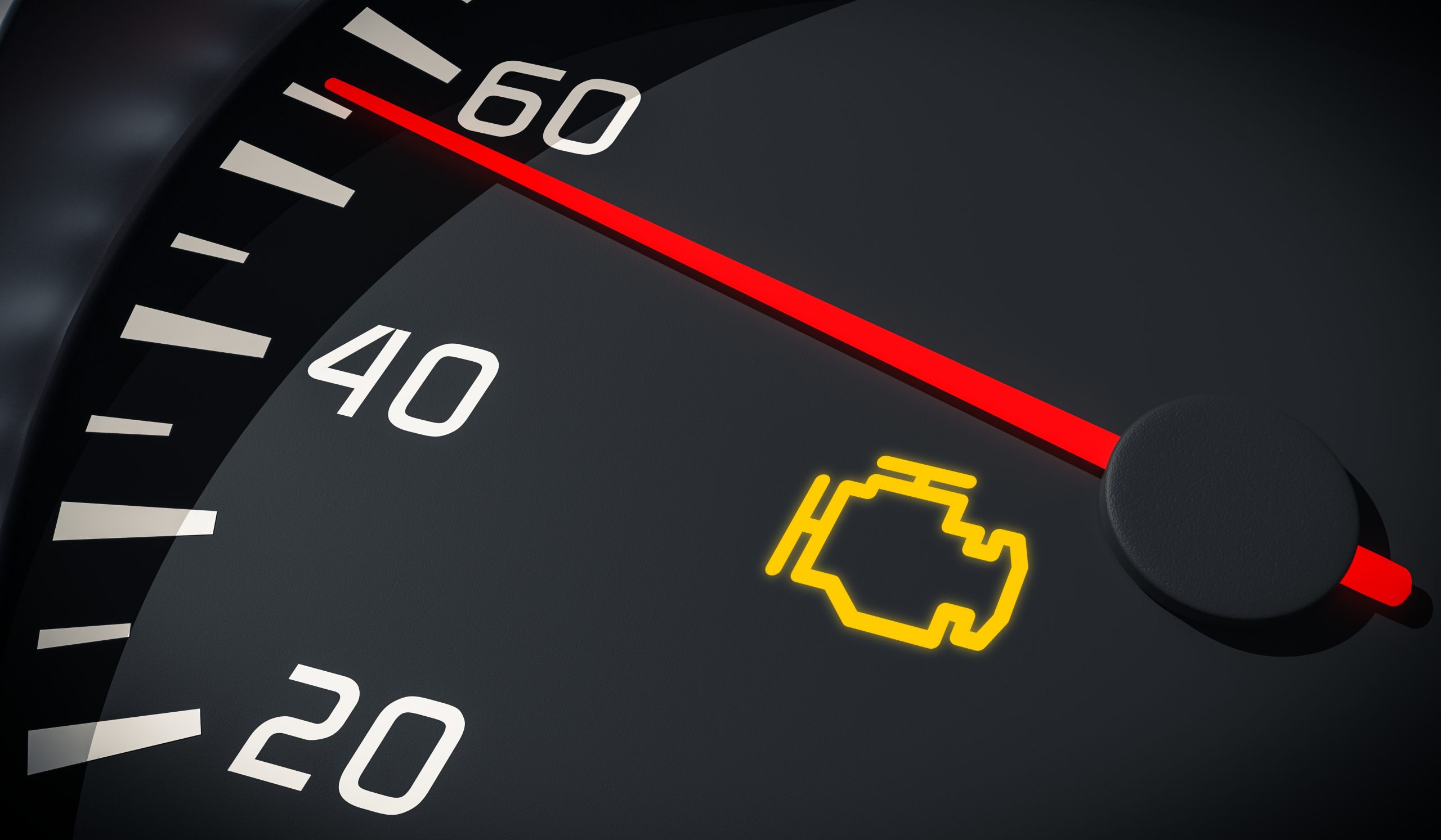
First, take a breath: What the light means and what to do now
If you are seeing a check engine light but car runs fine, you are not alone. This is one of the most common questions drivers ask us at Wisco Automotive in Burlington. The check engine light is your car’s way of saying it noticed something outside normal range. It does not always mean there is sudden damage or that the car will break down today. Often it points to a small emissions or sensor issue that needs attention soon, not right this minute.
There are two kinds of warnings. A steady light usually means a non-urgent fault. You can keep driving but should schedule a diagnosis. A flashing light is different. It signals a misfire or a serious issue that can overheat and damage the catalytic converter. If the light is flashing or the engine feels rough, slow down and get professional help right away.
- Check that the gas cap is tight until it clicks. This simple step fixes many cases.
- Listen and feel for new symptoms like rough idle, stalling, or poor acceleration.
- Avoid heavy loads and high speeds until you know more.
- Note if the light came on right after a fill-up, a jumpstart, or a big temperature swing.
- Call Wisco Automotive for a quick scan and guidance. We can usually get you in fast.
At Wisco Automotive, our certified techs read the code, look at live data, and pinpoint the cause. We are here to make your next step simple, with clear answers and friendly service.
3 common reasons behind a check engine light but car runs fine
Reason 1: Loose gas cap or a small EVAP system leak
The most common cause is also the easiest fix. If the gas cap is loose, missing, or the seal is worn, your car may trigger an EVAP system code. EVAP stands for evaporative emissions. It captures fuel vapors so they do not escape into the air. A loose cap lets vapors leak, which the computer detects. Your car will still feel normal. Fuel economy might drop a bit, and you may smell fuel if the cap is failing.
What to do now: tighten the gas cap until it clicks a few times. If the seal looks cracked or hard, replace the cap. Some aftermarket caps do not seal well. If the light came on right after a fill-up, this is very likely the cause. Note that the light will not turn off immediately. It can take a few drive cycles for the system to recheck and clear the code.
- If the light stays on for several days after tightening, there may be a small EVAP leak elsewhere.
- Wisco Automotive can pressure test the EVAP system with a smoke machine to find tiny leaks.
- Timely repair helps you pass emissions and protects the environment.
Reason 2: Aging oxygen sensor or catalytic converter efficiency code
Another common reason for a check engine light but car runs fine is an oxygen sensor that is slow or out of range, or a catalyst efficiency code such as P0420. Oxygen sensors help the engine adjust fuel delivery. When one weakens, the computer can still keep the car running smoothly, but it logs a fault. You might notice a slight drop in fuel economy. Over time, an inefficient sensor can stress the catalytic converter.
A P0420 code says the catalytic converter is not cleaning exhaust as well as expected. Often drivers feel no change in performance. Heat cycles, age, or fuel additives can trigger it. Sometimes the root cause is an upstream issue like small exhaust leaks or a tired upstream O2 sensor. Driving with a P0420 is usually safe for short trips, but it can lead to a failed emissions test. It is also best to address it early to avoid more costly repairs.
- Watch for sulfur smell, rattling under the car, or worsening fuel economy.
- Have a professional check for exhaust leaks, sensor performance, and fuel trim data.
- Wisco Automotive uses factory-grade scan tools to test sensor response and converter efficiency before recommending parts.
Reason 3: Minor intake or sensor drift, such as MAF issues or a small vacuum leak
Your engine relies on accurate airflow and pressure readings to mix fuel and air. A mass airflow sensor that is dirty or slowly drifting, or a small vacuum leak at a hose or intake boot, can push readings just beyond normal. The engine computer will set a code but may still compensate well enough that you do not feel a difference. Over time, you might notice a slightly rough idle on cold mornings or a subtle loss of pep.
An aging MAF sensor can often be cleaned if it is just contaminated. A cracked PCV hose or loose intake tube clamp is a quick fix. But guessing can waste money. Testing is best. At Wisco Automotive, we check for unmetered air with smoke testing, examine fuel trim, and verify sensor outputs. We fix the real cause, not just the code.
When to keep driving and when to stop
A steady check engine light with no drivability symptoms is generally safe for a short period. Still, schedule diagnosis soon. Prolonged driving with an emissions fault can hurt fuel economy and may lead to a failed emissions test.
- Likely safe to drive to work or home and schedule service: steady light, engine feels normal, no odd smells, no loud noises, and normal temperature gauge.
- Stop or seek help now: flashing light, rough running or shaking, loss of power, strong fuel smell, smoke, overheating, or if the light came on after the engine was submerged or hit debris.
If you need a tow or jumpstart, Wisco Automotive offers towing and roadside assistance. We help with lockouts, jumpstarts, flat tires, and vehicle towing. If you are not sure whether to drive, give us a call and we will advise based on your symptoms.
Easy checks you can do at home
- Tighten the gas cap until it clicks several times. Inspect the seal for cracks. Replace if needed.
- Look under the hood for a loose air intake tube or a disconnected vacuum hose. Reattach any loose clamps.
- Check battery terminals for corrosion or loose connections. A weak battery or recent jumpstart can set codes. Clean and tighten carefully.
- Think back to the last service. Recent air filter, spark plug, or sensor work can occasionally lead to a loose connector. Verify that plugs and connectors are seated.
- Note your fuel. Bad or stale fuel can trigger codes. If you recently filled up at a new station and the light started, mention this when you call us.
- Do not clear codes by disconnecting the battery. This erases valuable data and can set emissions monitors to not ready, which may cause an emissions test failure. Instead, let a pro scan and document the cause.
How pros diagnose it at Wisco Automotive
Real answers come from good testing, not guesswork. Here is how the Wisco Automotive team approaches a check engine light but car runs fine.
- We listen. You tell us when the light came on, what you feel, recent repairs, and fuel or weather changes. This saves time and money.
- We scan the computer for diagnostic trouble codes, pending codes, and freeze frame data that shows the exact conditions when the fault set.
- We look at live data while the engine runs. Fuel trims, O2 sensor switching, MAF readings, coolant temp, and more help us pinpoint the issue.
- We inspect visually for obvious problems like cracked hoses, loose connectors, or intake leaks.
- We perform targeted tests. This can include EVAP smoke testing, sensor output checks, and, when needed, oscilloscope tests for intermittent signals.
- We verify the fix with a road test and monitor review so you leave with confidence.
You will get a clear estimate before any repair. We aim for quick turnaround and quality results. Wisco Automotive supports both individual vehicles and fleets, so local businesses can keep their vans and trucks on the road with minimal downtime.
Frequently asked questions about the check engine light but car runs fine
Can I pass emissions with the light on?
If your vehicle is subject to Wisconsin emissions testing, a lit check engine light will usually cause an automatic fail. Even if the light is off, monitors that show not ready can lead to a retest. Wisco Automotive is certified for emissions testing and repairs. We can diagnose the cause, perform the repair, and guide you through the drive cycle to set monitors properly.
How long after tightening the gas cap will the light turn off?
If the gas cap was the only issue, it may take a few drive cycles for the computer to run the EVAP tests again. This can be a day or several days depending on temperature, fuel level, and driving conditions. If the light stays on after a week of normal driving, schedule a diagnosis. We can determine whether the cap seal is worn or if there is a small leak elsewhere.
Is it safe to use a simple code reader?
Yes, basic readers can show the stored code. They will not tell you the full story. A P0420 or P0171 could have several root causes. Clearing the code without addressing the cause is not a fix. At Wisco Automotive, we combine code data with live readings and tests so you get the right repair the first time.
Why does the light come and go?
Some faults are intermittent. Temperature swings, fuel quality, or borderline sensor values can set a code on one drive and not on the next. The computer may turn the light off if it sees normal operation for a while. Even if the light turns off, the code and history remain stored. It is still wise to have it checked, especially if the pattern repeats.
Will premium gas fix it?
Premium fuel does not solve most check engine light issues. Use the fuel grade your owner’s manual recommends. If bad fuel is the cause, running a fresh tank from a trusted station can help. If the issue is a sensor, vacuum leak, ignition, or catalyst, only proper diagnosis and repair will resolve it.
Preventive tips to avoid a surprise light
- Tighten the gas cap and avoid topping off the tank after the pump clicks off.
- Replace the gas cap seal or cap if it shows wear.
- Keep your air filter clean and make sure intake hoses are secure.
- Stay current on spark plugs, ignition components, and PCV service per the maintenance schedule.
- Use quality parts. Cheap sensors can cause repeat faults.
- Keep battery and charging systems healthy. Low voltage can trigger false codes.
- If you install accessories like remote start or backup cameras, have them integrated by qualified technicians to protect wiring integrity. Wisco Automotive installs remote starts and backup cameras the right way.
- Ask for a quick scan at service intervals. Catching small issues early saves money.
Burlington drivers: help is nearby
If you are dealing with a check engine light but car runs fine, let Wisco Automotive take the stress out of it. We are a full-service auto repair and maintenance shop at 496 S. Pine St., Burlington, WI. Our team handles general auto repair, oil changes, brakes, engine diagnostics and repairs, emissions testing, electrical diagnosis, suspension, drivetrain, exhaust, and tire services. We install remote starts and backup cameras, and we are certified to install ignition interlock devices for Intoxalock, LifeSafer, and Smart Start. We work with major tire brands like Bridgestone, Goodyear, Michelin, Firestone, and Uniroyal, so you have quality options for every budget.
Need help on the road. We offer towing and roadside assistance for lockouts, jumpstarts, flat tires, and vehicle towing. For local businesses, our fleet maintenance keeps your vehicles reliable with efficient scheduling and fast turnaround. We know time is money, and we are here to keep you moving.
Wisco Automotive is known for certified, efficient, and high-quality service that puts customers first. We are open Monday to Friday from 8 AM to 5 PM and Saturday from 8 AM to 12 PM. Call 262-716-0062 or visit wiscoautomotive.com to schedule an appointment. Whether it is a simple gas cap fix, an oxygen sensor, or a deeper diagnostic, we will explain what we find, show you your options, and get you back on the road with confidence.
Your engine light does not have to be a mystery. With the right checks and a trusted shop by your side, you can protect your car, your wallet, and your peace of mind. If you are near Burlington and you see a check engine light but car runs fine, reach out to Wisco Automotive today. We are ready to help.